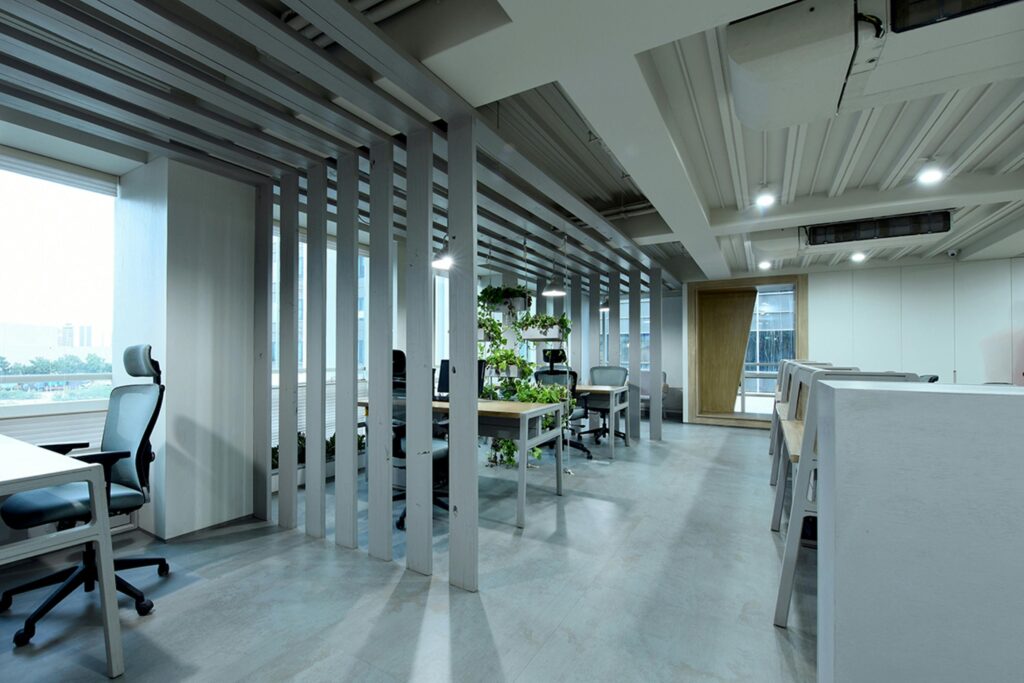

Interior design jobs in Kenya are growing steadily as real estate development, hospitality expansion, retail branding, and corporate workspace upgrades continue to rise. The role of interior designers has shifted from purely aesthetic work to a strategic function that influences user experience, property value, and business performance.
However, breaking into the industry requires more than creativity—it requires positioning, technical ability, and access to the right professional networks.
1. Types of Interior Design Jobs in Kenya
Interior design is not a single job title. It spans several roles depending on experience, specialization, and industry focus.
Interior Designer
Responsible for:
- Space planning and layout design
- Concept development
- Material and finish selection
- Client presentations and project coordination
This is the core professional role in most firms.
Junior Interior Designer / Assistant Designer
Typically involves:
- Supporting senior designers
- Preparing mood boards and drawings
- Assisting with CAD and 3D modelling
- Site documentation and revisions
This is the most common entry-level position.
Interior Design Draughtsman / CAD Technician
Focused on:
- Technical drawings
- AutoCAD or SketchUp modelling
- Construction documentation
- Execution detailing
Highly important in execution-heavy projects.
Interior Stylist / Decorator
Works on:
- Furniture arrangement
- Soft furnishings and décor selection
- Final aesthetic finishing
- Photo-ready styling for projects and rentals
Common in residential and Airbnb markets.
Project Coordinator (Interior Fit-Out)
Handles:
- Site coordination
- Contractor management
- Procurement tracking
- Timeline and budget support
This role bridges design and execution.
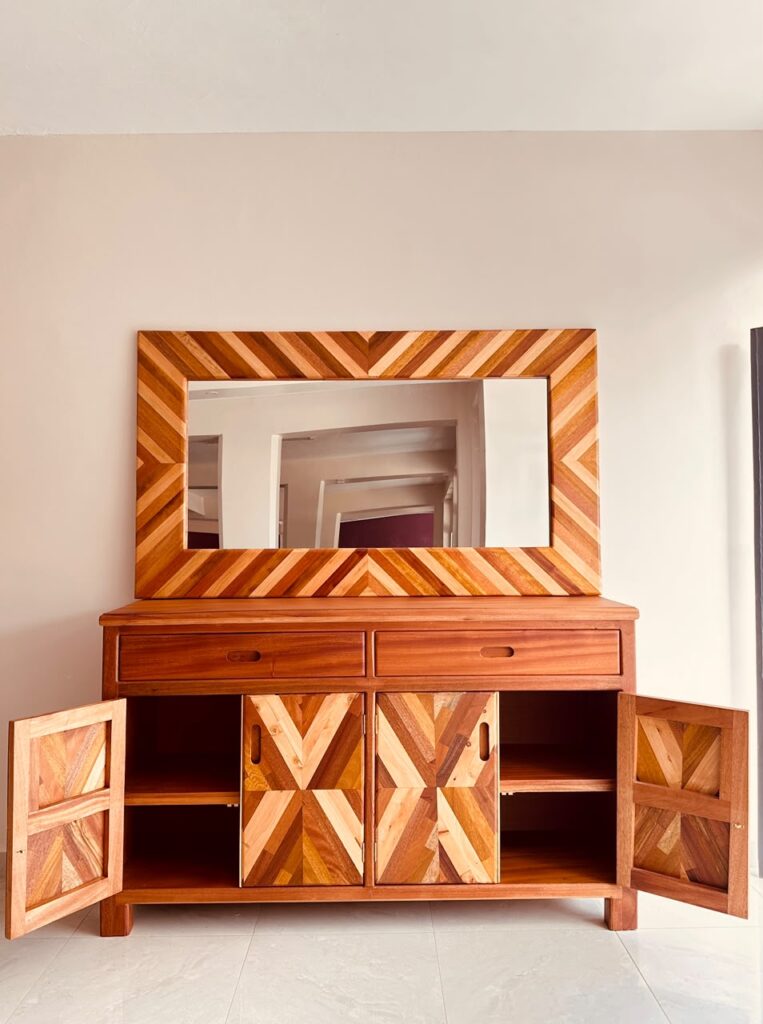
Furniture & Retail Design Specialist
Works with:
- Furniture companies
- Showrooms
- Custom fabrication workshops
Focus is on product-based interior solutions.
2. Where Interior Design Jobs Are Found in Kenya
Interior design jobs are typically concentrated in:
- Interior design studios and firms
- Architecture and construction companies
- Real estate development companies
- Hospitality groups (hotels, restaurants, resorts)
- Furniture and fit-out companies
- Freelance and independent client projects
A large portion of opportunities are not publicly advertised—they are network-driven.
3. Skills Required to Get Interior Design Jobs
Employers in Kenya look for a combination of creative and technical ability.
Key skills include:
- Strong design thinking and spatial awareness
- AutoCAD, SketchUp, or similar software proficiency
- Presentation and visualization skills
- Understanding of materials and finishes
- Project coordination and communication skills
- Portfolio development and client presentation ability
A strong portfolio often matters more than academic grades.
4. How to Get Your First Interior Design Job
Most beginners struggle not because of lack of talent, but because of lack of entry strategy.
Start with internships or attachments
- Design firms
- Construction companies
- Furniture workshops
Build a visible portfolio
- Concept projects
- Real small-scale projects
- 3D renders and mood boards
Use industry networking
Many opportunities come through:
- Referrals
- Industry events
- Direct firm outreach
5. The Role of Professional Industry Networks
One of the biggest challenges in Kenya’s interior design job market is visibility and access to structured opportunities.
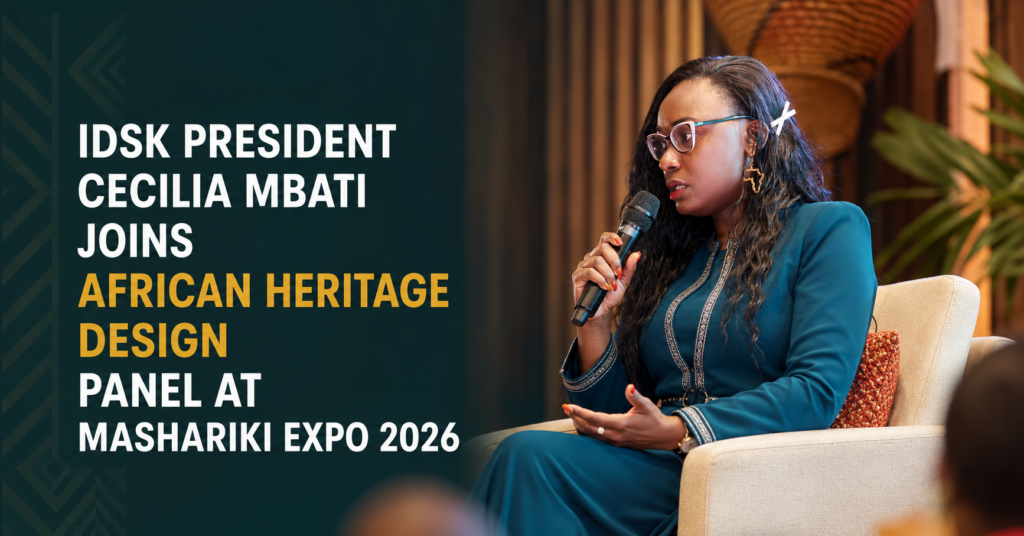
This is where the Interior Design Society of Kenya plays a key role.
It supports career growth by:
- Increasing visibility of emerging designers
- Connecting professionals to firms and developers
- Providing access to industry events and networking platforms
- Offering structured professional recognition
- Supporting firms through listing and exposure opportunities
For new designers, this kind of ecosystem access can significantly shorten the path from graduate to employed professional.
6. Freelance vs Employment in Interior Design
In Kenya, interior designers typically follow two paths:
Employment (Firm-Based)
- Stable income
- Mentorship and structured growth
- Exposure to larger projects
Freelancing / Independent Practice
- Higher income potential over time
- Flexible work structure
- Requires strong networking and business skills
Many professionals start in employment before transitioning into independent practice.
7. Future of Interior Design Jobs in Kenya
The industry is moving toward:
- More specialized roles (lighting, hospitality, retail design)
- Increased demand for 3D visualization and digital design skills
- Stronger integration with real estate and development firms
- Higher expectations for professionalism and technical precision
This means the profession is becoming more structured and competitive—but also more rewarding for skilled designers.
Interior design jobs in Kenya are expanding, but success depends on more than just talent. It requires technical skill, a strong portfolio, strategic networking, and industry visibility.
Those who succeed are not only creative—they are also positioned within the right professional ecosystems.
The Interior Design Society of Kenya plays an important role in this ecosystem by connecting designers, firms, and industry stakeholders, helping professionals gain visibility, access opportunities, and grow within a structured industry environment.
In today’s market, opportunity exists—but access determines who gets it.