
The Kenyan interior design landscape is not just changing; it is evolving at a breathtaking pace. Driven by technology, a renewed cultural consciousness, and pressing global challenges, the spaces we live and work in are set to become more intelligent, personal, and sustainable.
At the Interior Design Society of Kenya (IDSK), we look ahead to a future where design is not a luxury, but a vital tool for enhancing well-being, fostering community, and expressing our unique Kenyan identity. Here are the five transformative shifts that will define the future of interior design in Kenya.
1. The Tech-Infused Home: Beyond Aesthetics to Experience
The future Kenyan home will be a responsive partner in daily life. Interior designers will need to be fluent in integrating technology invisibly and intuitively.
- AI-Powered Personalization: Imagine a living room that adjusts its lighting and music based on your mood, detected by smart sensors. Artificial Intelligence (AI) will help designers create deeply personalized environments that learn and adapt to occupant preferences.
- VR/AR in the Design Process: The days of 2D mood boards are numbered. Clients will don Virtual Reality (VR) headsets to “walk through” their designed space before a single brick is laid. Augmented Reality (AR) apps will allow them to visualize furniture and art in their actual homes via their phone cameras, streamlining decision-making.
- Seamless Smart Home Integration: Designers will work with tech experts to embed smart features—from voice-controlled “invisible” Kenyan-made speakers to automated shading that responds to the sun’s path—ensuring they enhance the design, not disrupt it.
2. Hyper-Localism & Conscious Sourcing
The global trend of “localvore” eating is coming to design. The future is hyper-local.
- Material Passports & Provenance: Clients will demand to know the origin story of their furniture. Designers will specify materials with a “passport”—e.g., “Reclaimed Mvule from a Lamu dhow,” or “hand-dyed fabric from a women’s cooperative in Kitui.” This transparency builds a narrative and supports circular economies.
- Community-Centric Design: We will see a rise in designs that reflect specific local cultures, not just a generic “African” aesthetic. A home in Kisii might feature soapstone details, while one in the Coast will integrate Lamu-style carving and ventilation techniques adapted for modern living.
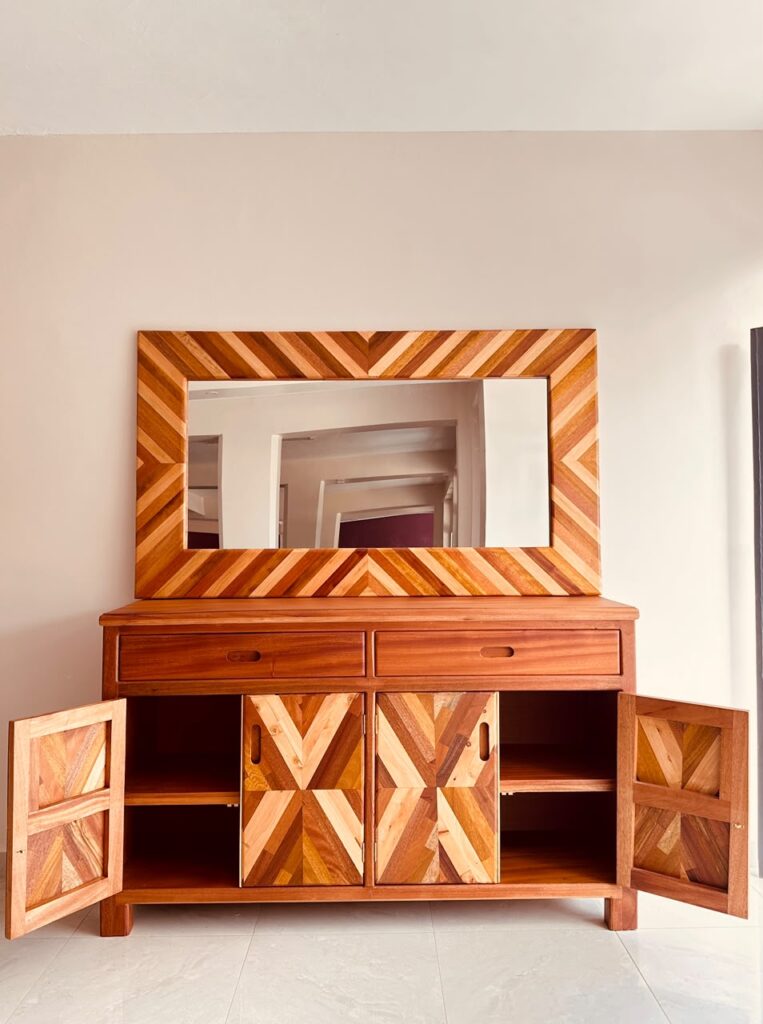
- Collaborations with Artisans: The line between designer and artisan will blur. The future will be filled with co-creation, where designers provide modern frameworks and artisans infuse them with timeless craft, resulting in truly unique, heirloom-quality pieces.
3. Adaptive & Multi-Functional Spaces (The Agile Environment)
Urbanization and shifting work-life dynamics will make flexibility the cornerstone of design.
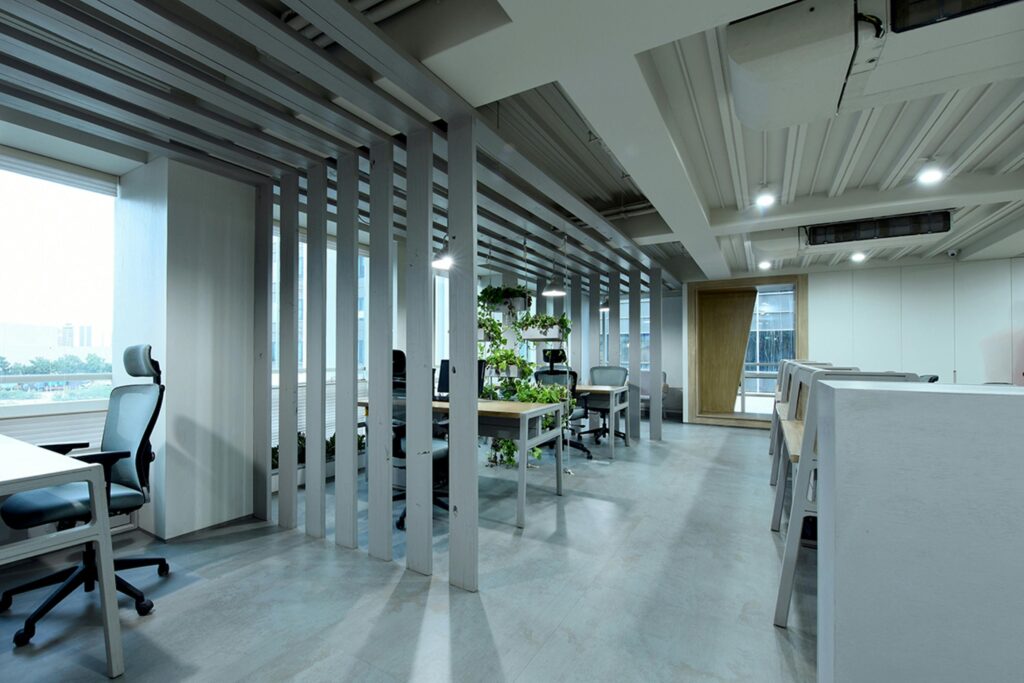
- The Morphing Room: Walls will be movable, furniture will be transformable, and spaces will be intentionally undefined. A single room might seamlessly transition from a home office by day, to a dining space by evening, to an entertainment zone by night.
- Design for Well-being: Post-pandemic awareness will solidify. Design will prioritize spaces that support mental and physical health: dedicated meditation nooks, indoor gardens for growing food, and layouts that maximize natural light and cross-ventilation to combat sedentary lifestyles.
- The Decentralized Office: As remote work becomes permanent, designers will specialize in creating high-functioning home offices that rival corporate setups, focusing on acoustics, ergonomics, and professional branding for video calls.
4. The Regenerative & Circular Design Mandate
Sustainability will evolve from a preference to a non-negotiable principle. The future is not just “less bad,” but “more good.”
- Circular Economy Principles: Design will focus on dismantling and reusing. Designers will specify modular furniture that can be easily repaired, upgraded, or returned to the manufacturer for recycling. “Waste” will be designed out of the system.
- Biophilic Design 2.0: The connection to nature will go beyond potted plants. We will see the integration of living walls with air-purifying plants, the use of mycelium (mushroom-based) as a sustainable building material, and designs that prioritize biodiversity on balconies and in gardens.
- Water and Energy Positivity: In response to climate change, homes will be designed to harvest more rainwater than they use and generate more solar energy than they consume. Interior designers will work with architects to select materials and layouts that minimize energy needs.
5. The Evolving Role of the Interior Designer
The designer of the future will be a multidisciplinary “space strategist.”
- From Decorator to Curator of Experience: The role expands beyond selecting finishes to curating a holistic human experience within a space, considering air quality, acoustics, light quality, and psychological impact.
- Tech Translator: Designers will act as the crucial bridge between complex technology and the human user, ensuring it serves the design and the occupant seamlessly.
- Community and Wellness Advocate: Designers will be sought after for their ability to create spaces that strengthen community bonds in residential complexes and enhance employee well-being in offices, directly impacting social health and business productivity.
The Kenyan Design Renaissance is Here
The future of interior design in Kenya is bright, bold, and deeply rooted. It is a future where our spaces are not just shelters but active participants in our lives—nurturing our well-being, connecting us to our heritage, and responding intelligently to our needs.
This future demands a new kind of designer: one who is tech-savvy, ecologically literate, and culturally connected.
At IDSK, we are committed to leading this charge.
We are preparing the next generation of Kenyan designers through continuous education, fostering innovation, and championing the standards that will define this exciting new era.
Are you ready to be part of the future?
Explore IDSK Membership and join a community that is actively shaping the spaces of tomorrow, today.