
The interior design industry in Kenya is no longer informal, fragmented, or purely aesthetic-driven. It is becoming a structured, high-value sector tied directly to real estate, hospitality, commercial development, and lifestyle investment.
At the center of this transformation is the Interior Design Society of Kenya — not as a passive association, but as a progressive industry builder actively shaping how interior design works, connects, and grows in Kenya.
From Fragmentation to a Structured Profession
For years, interior design in Kenya operated in silos: independent designers, disconnected suppliers, and investors navigating the space without a unified reference point.
IDSK is changing that.
It is positioning interior design as a recognised, structured, and accountable profession where credibility, visibility, and collaboration are no longer optional—they are embedded into the system.
This shift matters because the industry is expanding faster than its traditional structures. IDSK is not reacting to that growth—it is actively organizing it.
A Responsive Platform for Real Industry Needs
What makes IDSK different is not just representation—it is responsiveness.
The society is evolving into a real-time connector between:
- Interior designers and active project opportunities
- Suppliers and specification-driven demand
- Developers and verified creative professionals
- Clients and trusted industry expertise
Instead of being a passive membership body, IDSK is becoming a working ecosystem layer—one that reduces friction and accelerates how projects move from idea to execution.
Elevating Visibility Through Verified Professional Access
One of the biggest challenges in Kenya’s design sector has always been visibility without credibility.
IDSK addresses this directly through structured recognition and professional listing systems that prioritise:
- Verified practice and professional identity
- Portfolio-backed credibility
- Clear industry positioning for designers and firms
- Easier discovery for project owners and collaborators
This is not just exposure—it is trusted visibility, which is what actually drives work in the design industry.
Events That Drive Industry Momentum
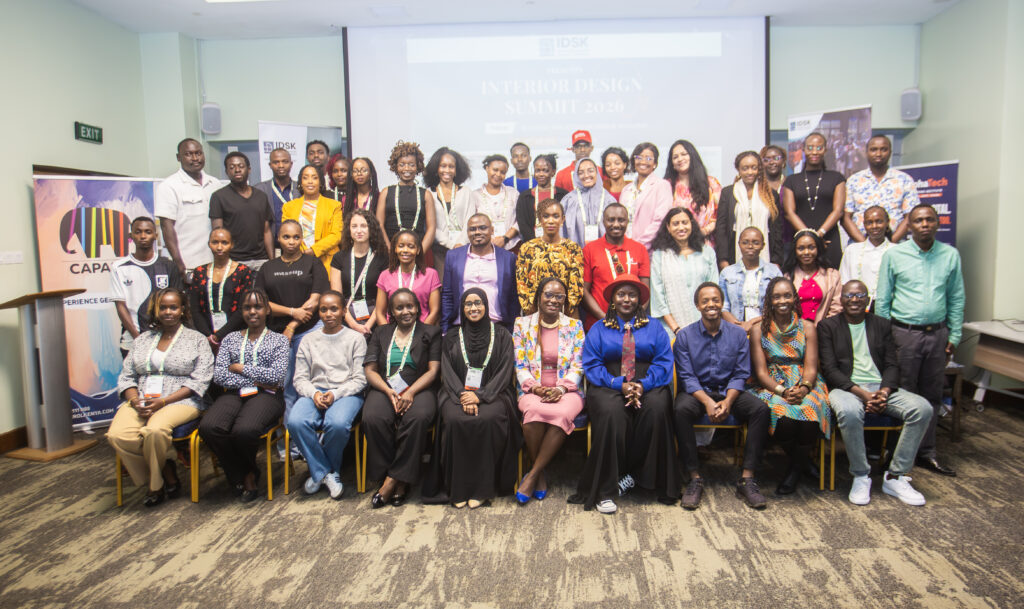
IDSK events are not social gatherings—they are structured industry engagement platforms.
Through curated roundtables, design conversations, and stakeholder sessions, IDSK creates environments where:
- Real projects are discussed while they are still forming
- Designers engage directly with decision-makers
- Suppliers influence specification decisions early
- New collaborations are formed intentionally, not accidentally
This is how a mature industry operates: through guided interaction that leads to real outcomes.
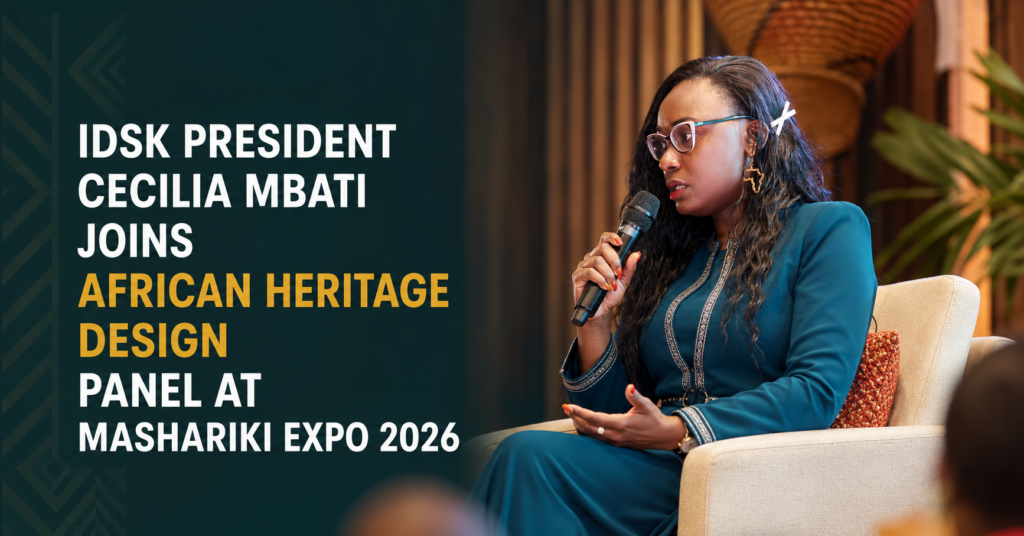
A Progressive Industry Voice
What sets IDSK apart is its direction of travel.
It is not simply preserving industry standards—it is actively modernising them. That includes:
- Strengthening professional identity in interior design
- Creating clearer industry pathways for practitioners
- Improving collaboration across design, supply, and development
- Building systems that support long-term industry growth
In a rapidly expanding market like Kenya, this kind of structure is not optional—it is necessary.
The Future is Connected, and IDSK is Building It
The future of interior design in Kenya will belong to ecosystems that are structured, visible, and collaborative.
The Interior Design Society of Kenya is positioning itself as that structure—responsive to industry needs, proactive in shaping standards, and progressive in how it connects people and opportunity.
Not as a gatekeeper, but as a platform for growth, visibility, and industry movement.
Because the next phase of interior design in Kenya will not be defined by individual talent alone—but by how well the industry is connected.