

Reading corner design in Kenya can make an underused part of a home more useful without requiring a separate room. Start with the reader’s habits and the conditions in the proposed location. A chair and lamp should be selected as part of the room’s everyday use.
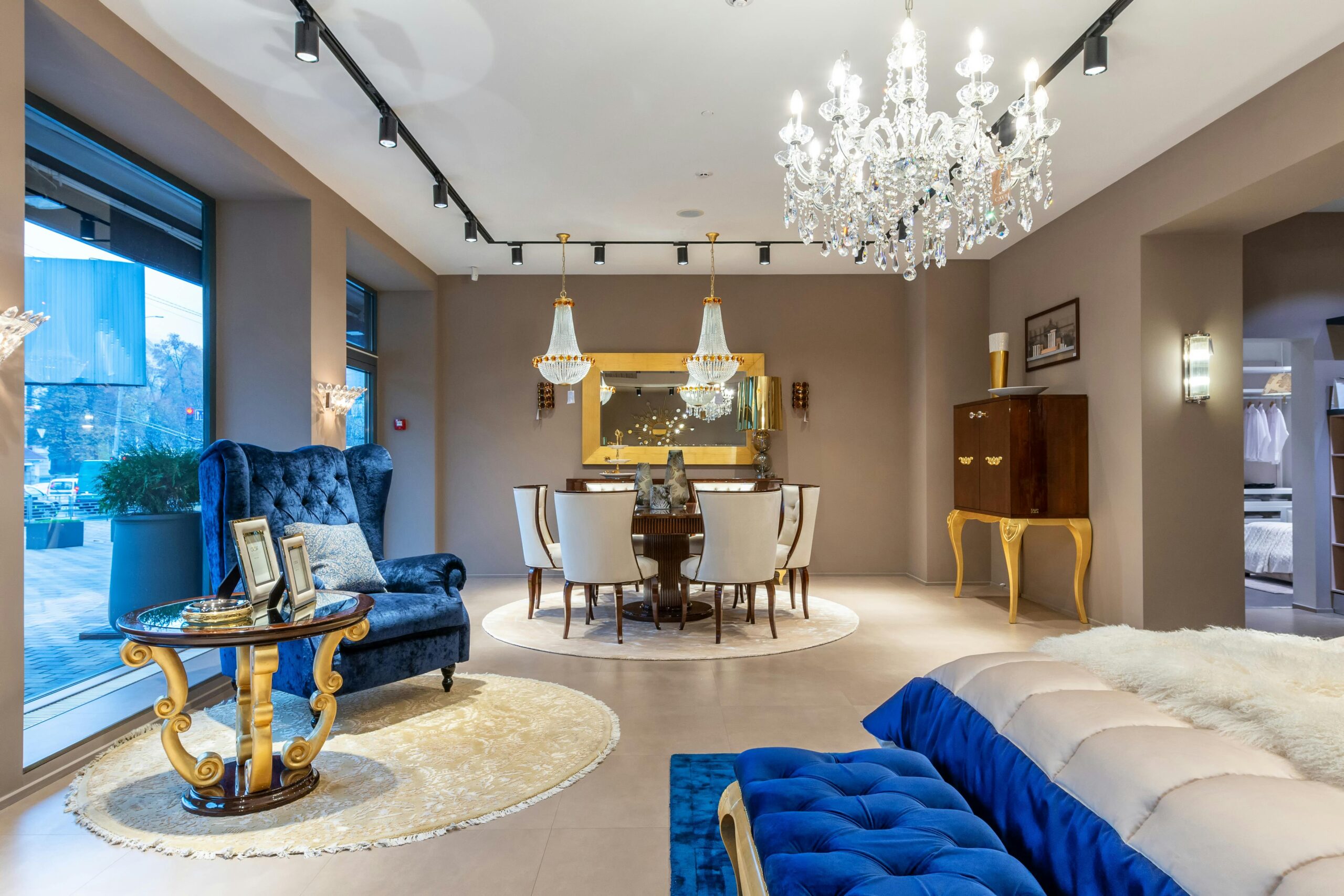
Choose a workable location
Observe the space at the times reading usually happens. Consider household movement, nearby conversations and access to a window or suitable lighting. Avoid selecting a corner solely because it photographs well if it is regularly needed as a route.
Try the seating arrangement
Test the chair and any footrest with the intended user. Check where a book, drink or glasses will be placed and whether the side table can be reached comfortably. Mark the combined furniture footprint before buying so the arrangement does not gradually occupy more space than expected.

Coordinate lighting
Review daylight and the proposed reading light together. Discuss lamp position, glare and controls with the designer or lighting supplier. Keep cables organised and have fixed electrical work carried out by a qualified installer. A decorative lamp is not automatically suitable for every reading task.
Keep storage proportionate
Provide a place for the books currently in use rather than assuming the corner must hold the whole collection. Choose surfaces and fabrics with practical care instructions. After using the arrangement, adjust the table or lamp position based on actual experience and retain access for cleaning.
Related planning resources
Read Living Room Interior Design in Kenya: Layout Before Shopping for related project guidance. Find potential designers and suppliers through Interiors Kenya, then confirm the exact product, service scope and responsibilities directly with the selected provider.