Use resources better
Explore ways to reduce offcuts, improve material selection and find useful applications for surplus materials.

Help more Kenyan companies put circular design into practice. Partner with IDSK to support training, practical demonstrations and business support that keep materials in use and build skills for better products.
For manufacturers, furniture businesses, suppliers, design firms and the partners investing in their growth.
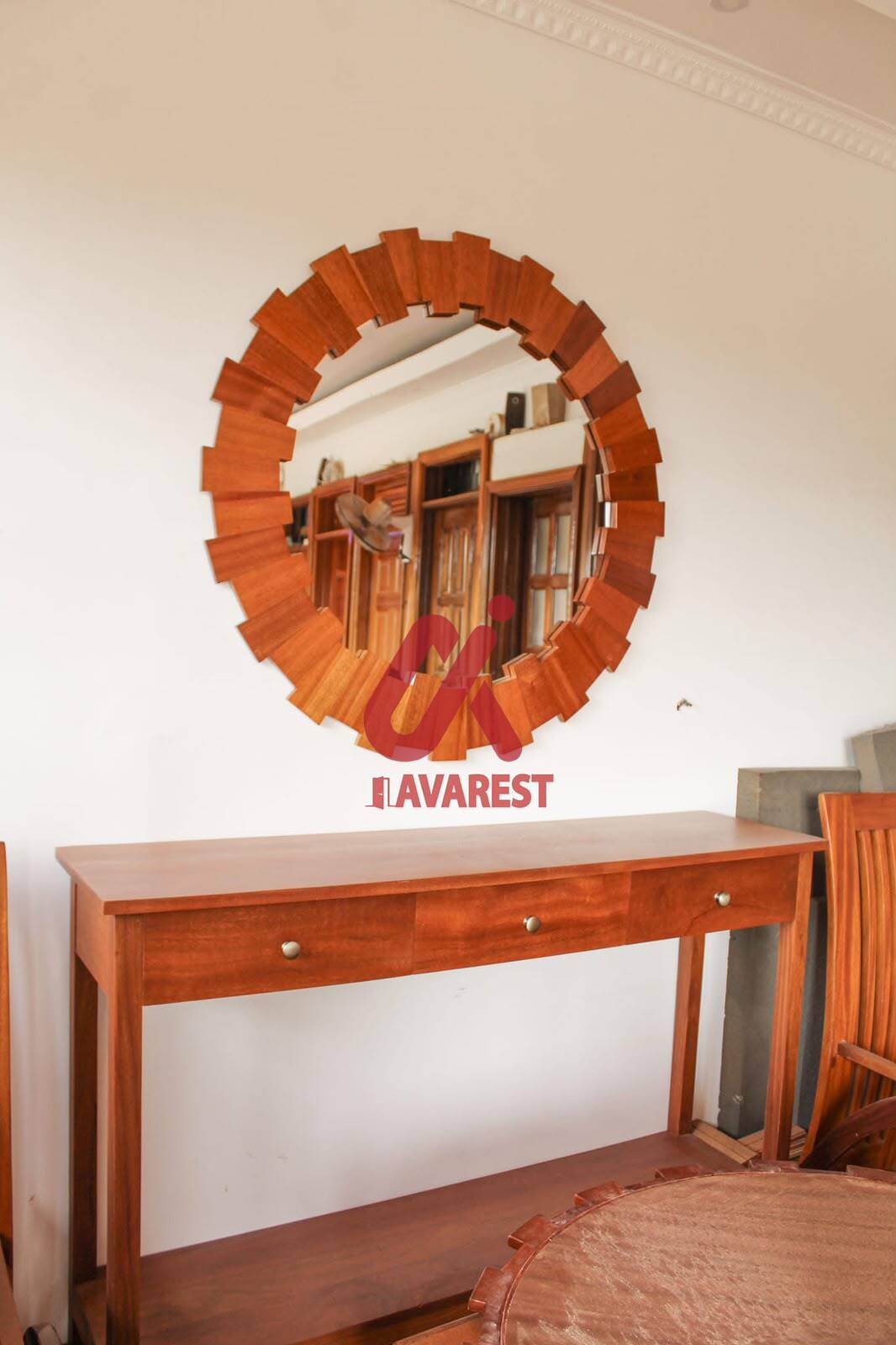
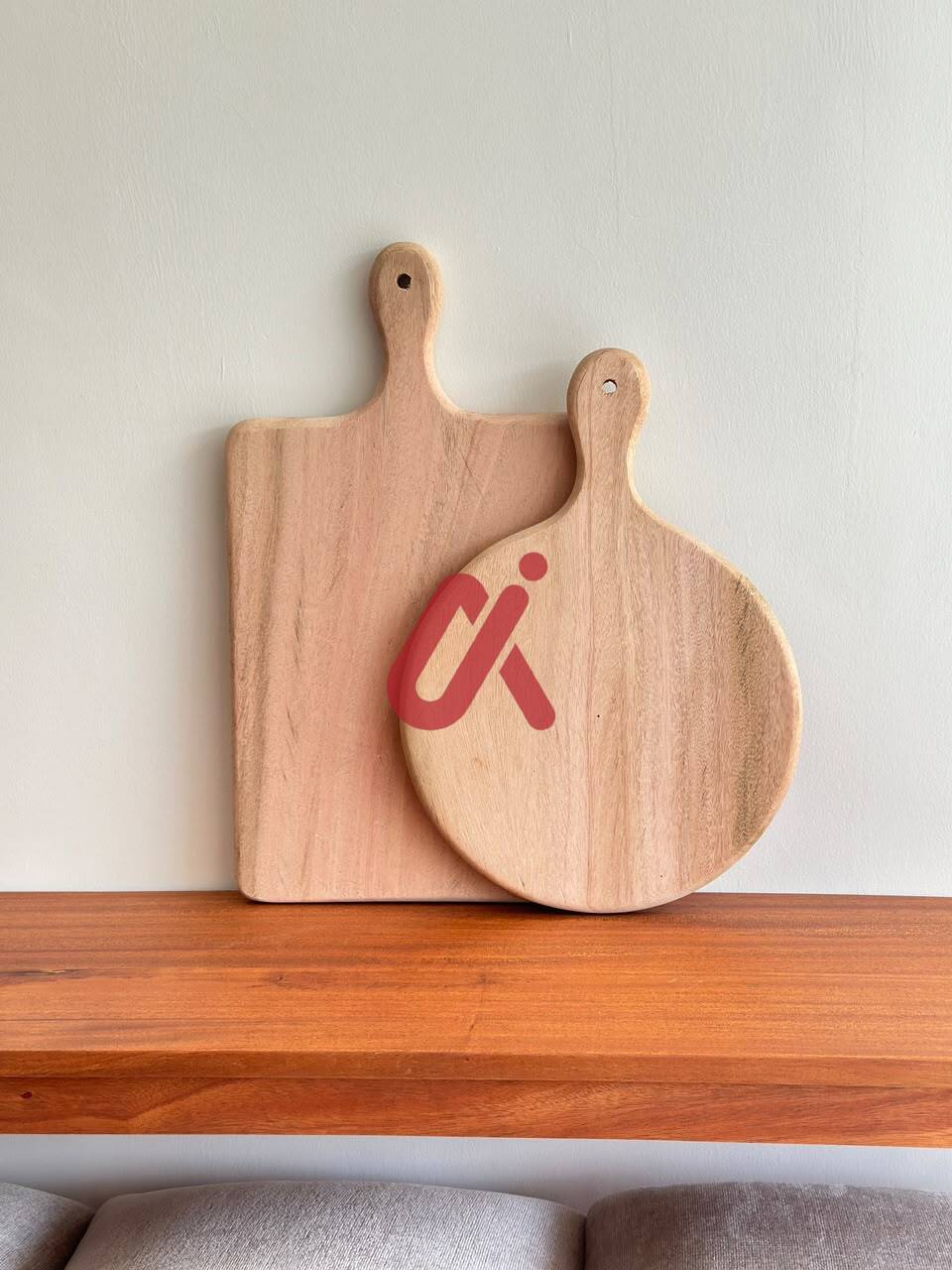
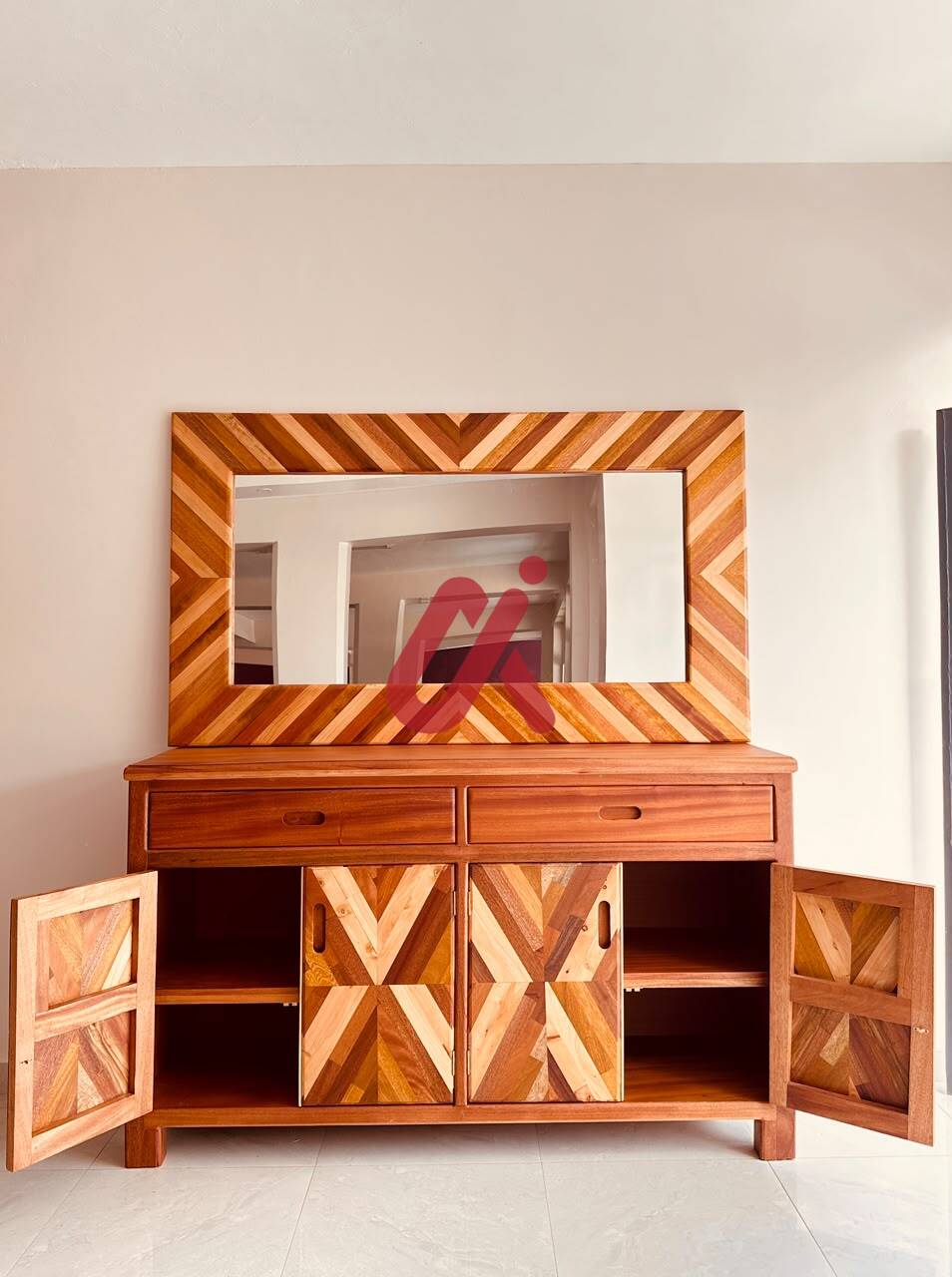
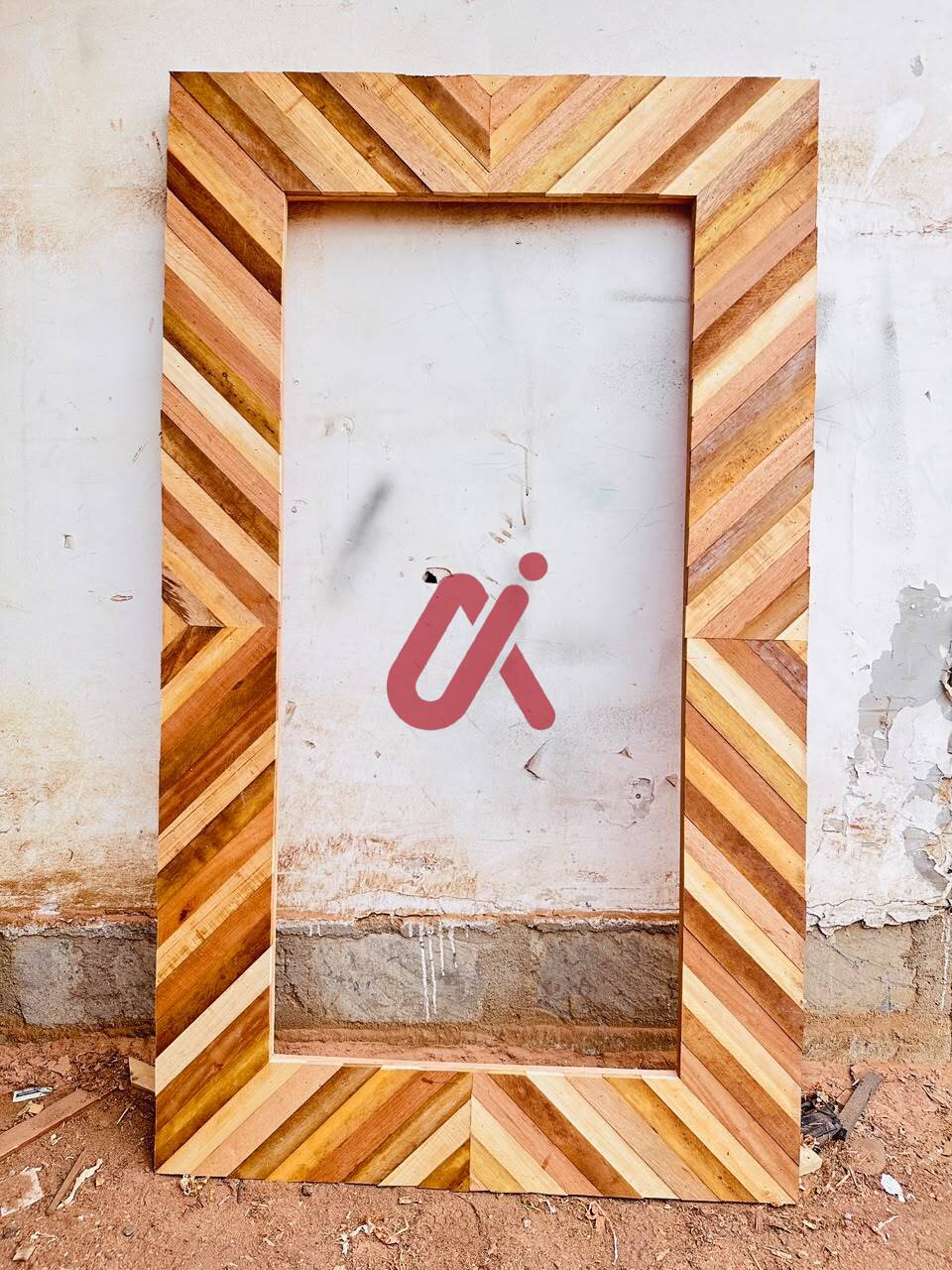
Circular design starts with everyday decisions: how products are made, how materials are used, what can be repaired and what happens at the end of a product’s life. IDSK seeks to help businesses turn these decisions into practical improvements across Kenya’s interiors sector.
Explore ways to reduce offcuts, improve material selection and find useful applications for surplus materials.
Build skills in durability, repair, refurbishment and designs that can be taken apart and adapted.
Explore repair services, reuse partnerships, product recovery and connections with designers seeking responsible solutions.
Your support can help more companies access the expertise, hands-on learning and follow-through needed to adopt circular design. We invite foundations, development partners, corporate sustainability teams and industry brands to help shape and support the next phase.
Support training places for a group of companies, including smaller businesses that may struggle to access specialist learning. Agree the participant profile, learning priorities and scope with IDSK.
Help cover facilitators, materials, workshop access and practical demonstrations. Support companies to test an improvement in their own products or production processes.
Offer trainers, equipment access, materials, workshop space or site visits that help participants understand and apply circular design in real business settings.
Each partnership can be scoped around an agreed budget, delivery plan and reporting framework. Financial contributions, expertise, materials, equipment and training facilities are all welcome.
The proposed training approach connects learning with a focused change each company can test. Cohort content and delivery are developed with programme partners.
Review materials, products and current practices to identify where circular design could make a useful difference.
Combine focused training with demonstrations covering material efficiency, repair, reuse and product life.
Develop and trial an action plan, such as using offcuts, redesigning a component or introducing a repair service.
Document progress, identify lessons and connect participants with relevant designers and industry opportunities.
Agree the outcomes before a supported cohort begins. Reporting can combine participation records, company action plans and documented examples of changes tested, with targets suited to the agreed resources and delivery period.
Businesses enrolled, training participation and completion.
Company action plans and improvements piloted after training.
Documented reuse, repair or waste reduction where a baseline and reliable records are available.
Case studies, participant feedback and agreed partner recognition, with company consent.
Exploring responsible materials, local production and new approaches to circular interior design.
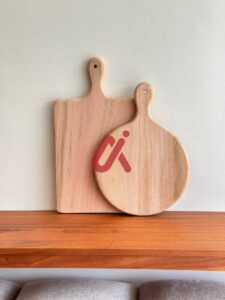
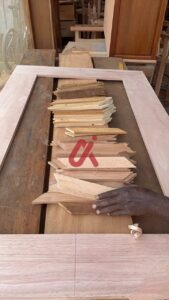
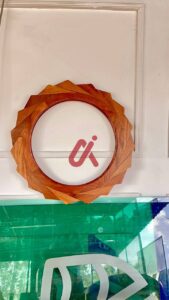
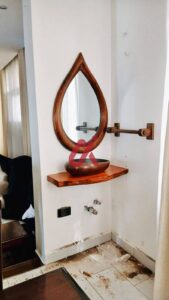
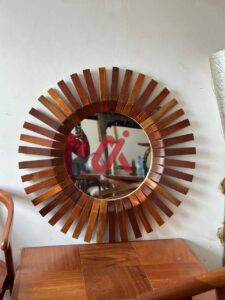
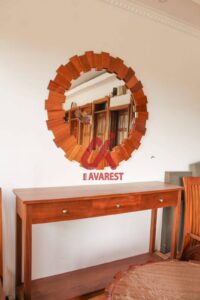
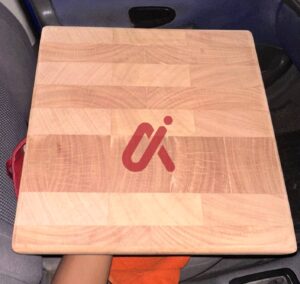
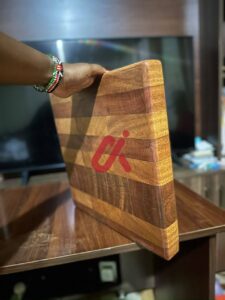
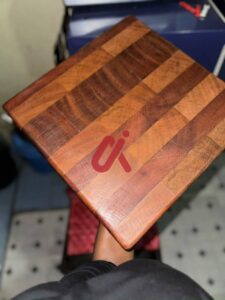
Training is one part of the journey. Businesses also need opportunities to demonstrate their solutions, learn from industry peers and connect with the people who specify materials and products.
The programme aims to connect participating companies with IDSK’s professional community through technical learning, product demonstrations and relevant industry engagements. Activities and showcase opportunities are agreed within each programme cycle.
Support a training cohort, contribute technical expertise or express interest in company training. Let’s discuss how your organisation can support practical circular design adoption in Kenya’s interiors sector.
For programme and partnership enquiries: partners@idsk.or.ke