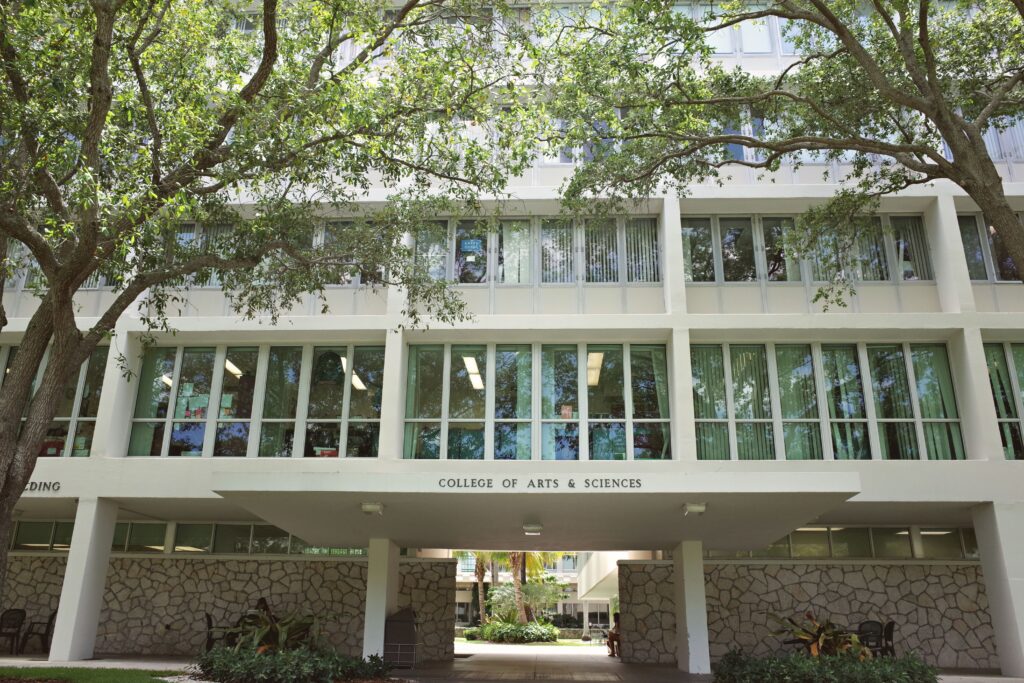

In the heart of our bustling cities, from Nairobi’s busy central business district to Mombasa’s urban sprawl, a quiet revolution is taking place within our walls. Kenyans are increasingly seeking a connection to the natural world they cherish, and interior design is answering the call. This movement is called Biophilic Design, and it’s more than just placing a potted plant in the corner—it’s a fundamental design principle that reconnects us with nature to enhance our health, happiness, and productivity.
At the Interior Design Society of Kenya (IDSK), we recognize biophilic design as a core component of our Climate-Smart Design advocacy, aligning sustainable practice with profound human benefit.
What Exactly is Biophilic Design?
Coined from the term “biophilia” (meaning a love of life and the living world), biophilic design is the practice of integrating natural elements, patterns, and processes into the built environment. It operates on two key levels:
- Direct Connections: Incorporating living nature into a space (e.g., indoor plants, green walls, water features, natural light, and ventilation).
- Indirect & Symbolic Connections: Using elements that evoke nature (e.g., natural materials like wood and stone, colours found in nature, patterns that mimic leaves or honeycombs, and imagery of landscapes).
Why is it Crucial for Kenya Right Now?
As Kenya urbanizes rapidly, many of us spend over 90% of our time indoors. This disconnect from nature, often called “nature-deficit disorder,” has been linked to increased stress, reduced concentration, and lower overall wellbeing.
“Biophilic design isn’t a luxury; it’s a return to our roots and a necessity for modern urban living,” says a member of the IDSK Future Built Council. “For Kenyans, whose cultural and personal identities are often deeply tied to the land, creating interiors that reflect our natural heritage is both a healing and a sustainable act.”
Practical Biophilic Strategies for Kenyan Homes & Offices
You don’t need a vast budget to incorporate these principles. Here’s how to weave biophilic design into your spaces:
- Maximize Natural Light & Air: Prioritize large windows and cross-ventilation. This reduces reliance on artificial lighting and air conditioning, saving energy while connecting occupants to the daily rhythms of the sun and breeze.
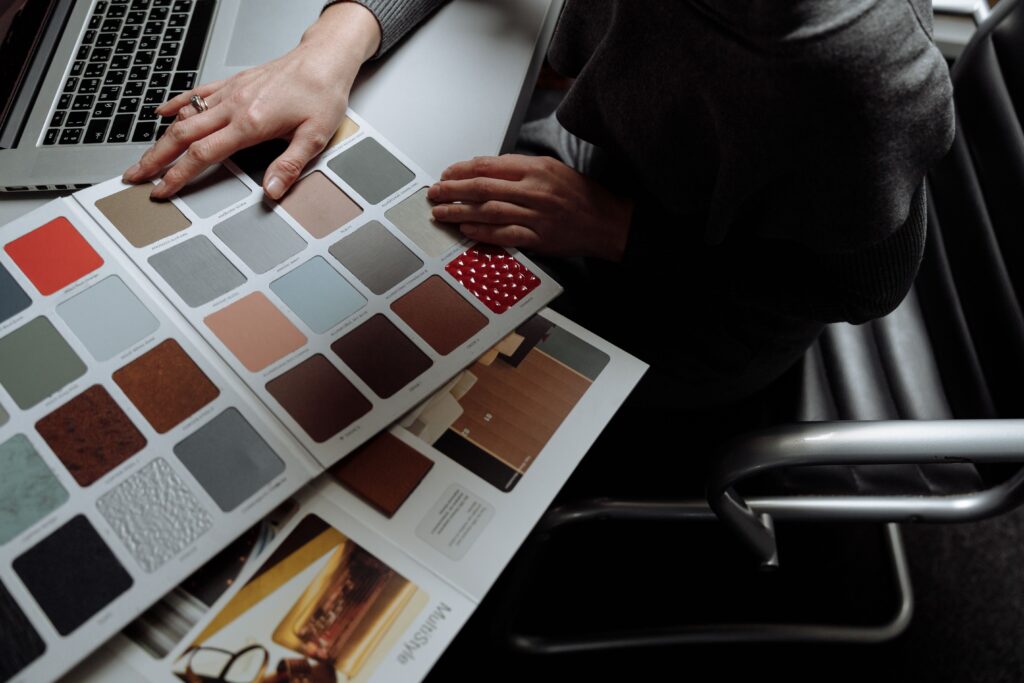
- Embrace ‘The Kenyan Palette’: Move beyond neutral greys. Use a colour palette inspired by our rich environment—the deep greens of the Aberdares, the warm terracotta of our soils, the vibrant yellows of the acacia, and the serene blues of our skies and lakes.
- Specify Local, Natural Materials: Choose furniture and finishes made from sustainable Kenyan wood, sisal rugs, natural stone, and woven baskets. These materials are not only sustainable but also tell a story and create a tactile, sensory-rich environment.
- Incorporate Dynamic & Diffuse Light: Avoid harsh, uniform lighting. Use fixtures that mimic the dappled light of a forest canopy or introduce water features that create shimmering reflections, providing the gentle visual stimulation found in nature.
- Create a Sensory Garden Balcony: Even in a high-rise apartment, a balcony with a mix of herbs, fragrant flowers, and leafy greens can become a restorative retreat, engaging the senses of smell and touch.
The Broader Impact: Sustainability Meets Wellbeing
Biophilic design is a powerful tool in the climate-smart arsenal. By prioritizing natural ventilation and light, we reduce energy consumption. By using local, sustainable materials, we lower our carbon footprint. It proves that the most sustainable choices are often those that are also best for human health.
The Future is Natural
As we look to the future of Kenya’s built environment, integrating nature isn’t just an aesthetic choice—it’s a strategic one for creating resilient, well-performing, and genuinely Kenyan spaces. From corporate offices that boost employee focus to homes that serve as sanctuaries, biophilic design offers a blueprint for a healthier, more sustainable way of living.
Ready to Learn More?
Join the conversation on how design shapes our wellbeing. Explore these principles in depth at our upcoming Future Built Roundtable on Climate Smart Design. Follow us and share your own biophilic spaces using #IDSKBiophilic #FutureBuiltKE.
The Interior Design Society of Kenya (IDSK) is the leading professional body advancing the practice of interior design in Kenya. Through advocacy, education, and programmes like Future Built: The Design Leadership Program, we are shaping a sustainable and innovative future for Kenya’s built environment.