
The Future of Interior Design in Kenya
Interior design in Kenya is entering a new era driven by technology, urbanization, changing lifestyles, sustainability, hospitality growth, and increasing demand for professionally designed spaces.
Over the past decade, the industry has evolved from being viewed mainly as decoration into a strategic part of the built environment influencing how people live, work, interact, and experience spaces.
Today, interior designers are involved in:
- Residential developments
- Commercial offices
- Hospitality projects
- Retail environments
- Luxury real estate
- Workplace strategy
- Smart living solutions
- Brand experiences
As Kenya’s real estate and construction sectors continue expanding, interior design is becoming increasingly important to property value, customer experience, productivity, and lifestyle quality.
One of the biggest factors shaping the future of the industry is urbanization. Cities such as Nairobi continue experiencing rapid apartment growth and mixed-use developments, creating demand for smarter, more functional interiors.
As living spaces become more compact, designers are increasingly focusing on:
- Space optimization
- Multifunctional furniture
- Flexible layouts
- Storage efficiency
- Minimalist living concepts
Functionality is becoming just as important as aesthetics.
Technology is also transforming interior design across Kenya. Smart homes are no longer limited to luxury properties alone. More homeowners and developers are integrating:
- Smart lighting
- Automated curtains
- Voice-controlled systems
- Security integration
- Home automation
- Smart entertainment systems
Commercial spaces are also becoming more technology-driven, especially in modern offices and hospitality environments.
Sustainability is expected to become one of the defining themes of Kenya’s future interior design industry. Clients are increasingly becoming aware of:
- Energy efficiency
- Sustainable materials
- Green building concepts
- Indoor wellness
- Environmental responsibility
Designers are beginning to incorporate:
- Natural lighting
- Eco-friendly materials
- Passive cooling strategies
- Indoor greenery
- Sustainable sourcing practices
As global conversations around climate and sustainability continue growing, environmentally conscious interiors will likely become more mainstream within East Africa.
Hospitality design is another rapidly expanding segment. Kenya’s tourism and lifestyle sectors continue increasing demand for:
- Boutique hotels
- Restaurants
- Resorts
- Luxury Airbnb spaces
- Experience-driven interiors
Hospitality spaces are increasingly designed not only for comfort, but also for brand identity and social media visibility.
Retail interiors are also evolving. Businesses now understand that interior design directly affects customer perception, engagement, and purchasing behavior. Modern retail and showroom spaces increasingly focus on immersive experiences, customer flow, lighting strategy, and visual storytelling.
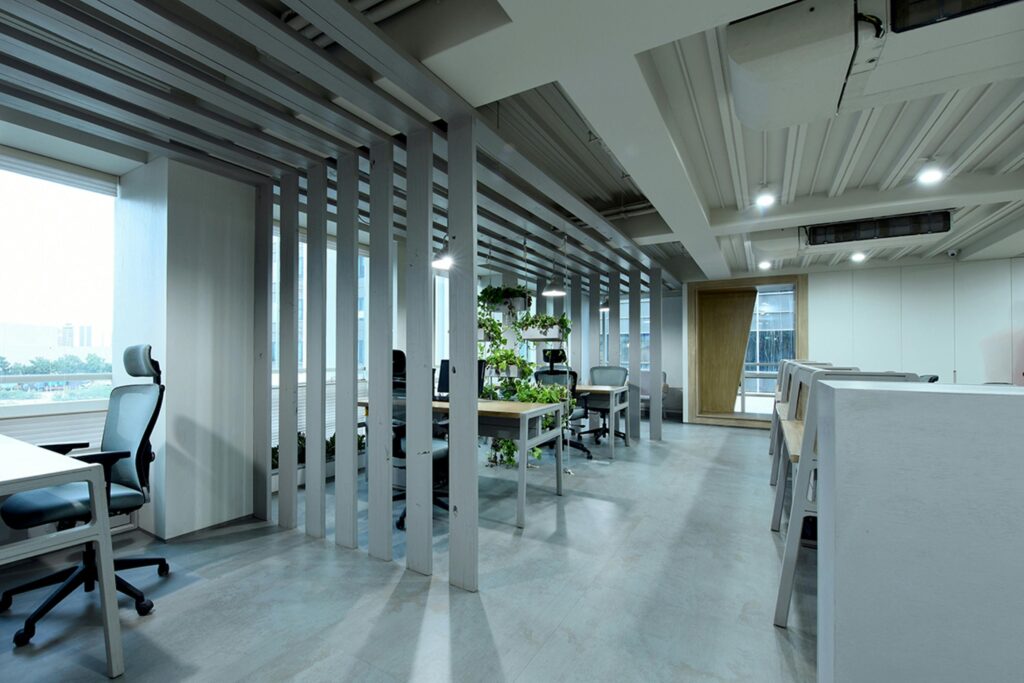
The rise of remote and hybrid work is also reshaping office design in Kenya. Traditional office layouts are gradually giving way to:
- Collaborative workspaces
- Flexible seating
- Wellness-focused environments
- Informal meeting areas
- Acoustic comfort
- Biophilic design concepts
Interior designers are increasingly helping companies rethink workplace culture and employee experience through design.
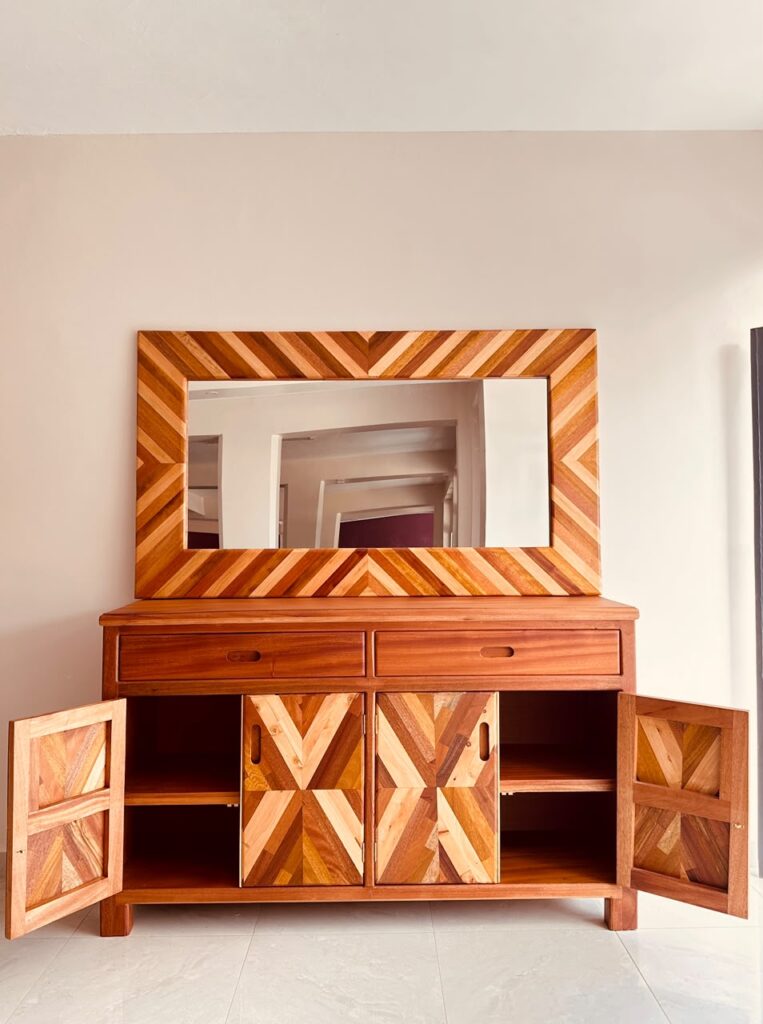
Another major shift is the growing demand for African contemporary interiors. Instead of copying international styles directly, many Kenyan designers are increasingly blending modern aesthetics with African craftsmanship, textures, materials, art, and cultural identity.
This movement is helping create more authentic and globally competitive design identities rooted in local context.
The profession itself is also becoming more business-oriented and structured. Successful interior designers today increasingly require:
- Project management skills
- Cost planning knowledge
- Procurement systems
- Technical software proficiency
- Contract administration
- Branding and marketing skills
Clients are also becoming more informed and expect:
- Professional documentation
- Clear pricing
- Structured processes
- Better communication
- Reliable project delivery
As the industry matures, collaboration between interior designers, architects, quantity surveyors, developers, suppliers, and contractors will become increasingly important.
Education and professional development will also continue shaping the future of the industry. Students and young professionals increasingly need access to:
- Accredited training
- Industry mentorship
- Technical exposure
- Practical experience
- Networking opportunities
Professional organizations and industry platforms will continue playing an important role in supporting conversations around standards, innovation, collaboration, and growth.
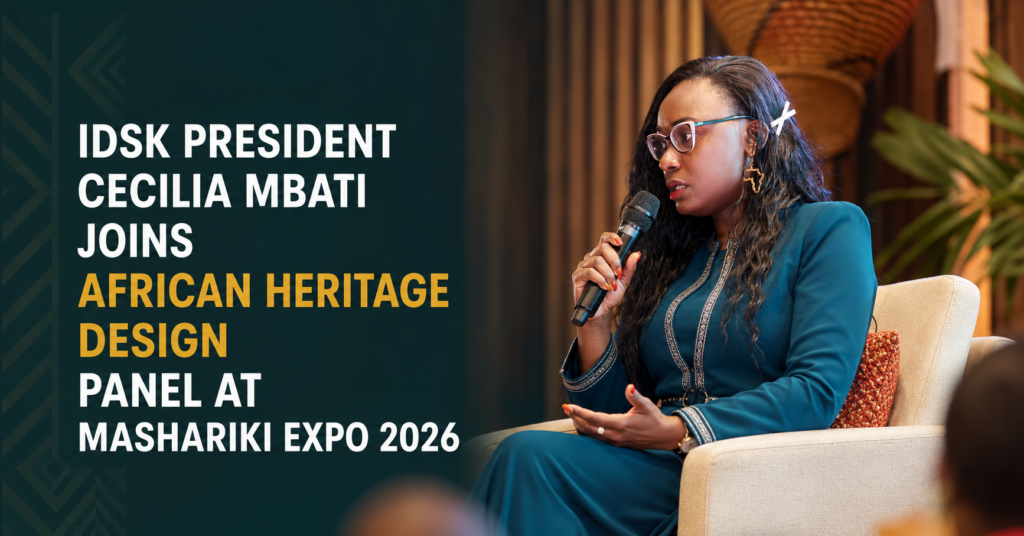
The Interior Design Society of Kenya (IDSK) continues contributing to these conversations through roundtables, networking events, industry engagement, and professional development initiatives focused on strengthening Kenya’s interior design ecosystem.
The future of interior design in Kenya will likely belong to professionals who combine creativity with technical understanding, business strategy, innovation, sustainability, and strong professional systems.
As the built environment continues evolving, interior design is becoming one of the most influential creative industries shaping modern living across Kenya and East Africa.
Apply for membership:
https://idsk.or.ke/idsk-membership-application/
Official Website:
https://idsk.or.ke/