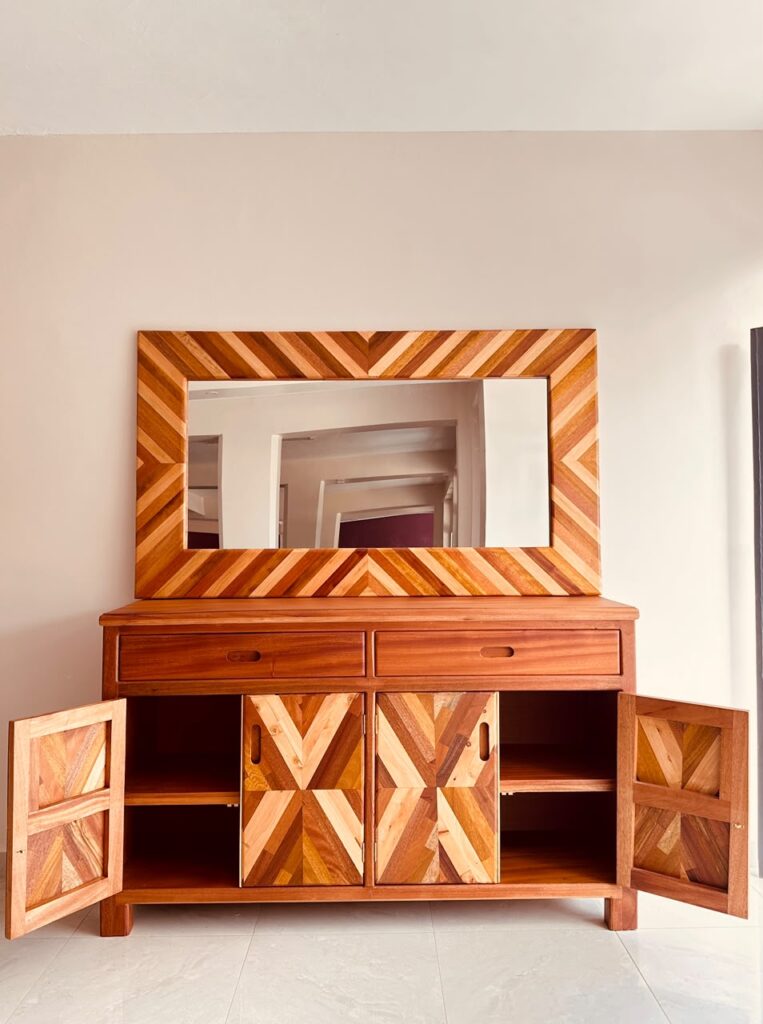
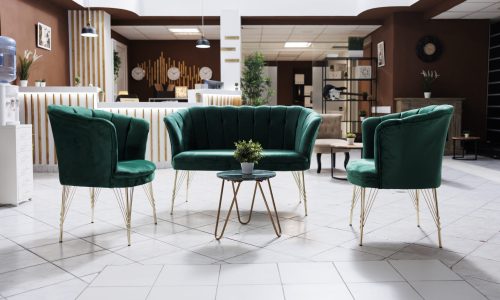
Many people in Kenya use the terms interior designer, interior decorator, and architect interchangeably. In reality, these professionals play very different roles within a project.
As Kenya’s real estate, hospitality, and construction industries continue to grow, understanding these differences has become increasingly important for both clients and professionals.
An architect primarily focuses on the design and structure of a building. They are responsible for planning how a building will look, function, and comply with regulations before construction begins. Architects handle building layouts, structural planning, approvals, and the overall architectural vision of a project.
An interior designer focuses on the interior experience of a space. Their role goes beyond aesthetics to include functionality, space planning, lighting, material selection, furniture planning, and project coordination. Interior designers help shape how people live, work, interact, and experience a space internally.
In Kenya today, interior designers are involved in residential homes, apartments, offices, restaurants, hotels, retail spaces, and hospitality projects. Many also oversee procurement, coordinate suppliers and contractors, manage installations, and supervise fit-out works to ensure projects are delivered successfully.
An interior decorator, on the other hand, mainly focuses on the visual styling of a completed space. Decorators work with furniture, color palettes, curtains, accessories, décor, artwork, and soft furnishings to improve the appearance and atmosphere of interiors. Unlike interior designers, decorators do not typically handle technical planning, layout changes, or construction coordination.
The difference matters because hiring the wrong professional can affect project outcomes, timelines, and budgets. A decorator may not solve planning or functionality issues, while an architect may not focus deeply on furniture layouts or interior detailing. Interior designers often bridge this gap by combining creativity, technical thinking, and practical coordination.
In many successful projects, architects and interior designers work closely together. The architect develops the building structure and overall spatial framework, while the interior designer refines the interior functionality, finishes, lighting, furniture layouts, and user experience. This collaboration creates spaces that are both functional and visually cohesive.
Kenya’s interior design industry has evolved significantly over the past decade. Clients are becoming more informed and increasingly expect professional project management, clear pricing structures, technical expertise, and better execution standards. As a result, interior designers are increasingly positioning themselves not simply as decorators, but as strategic consultants within the built environment.
The growing professionalism of the industry is also driving conversations around contracts, pricing, project management, sustainability, and collaboration between designers, architects, quantity surveyors, suppliers, and contractors.
For clients, choosing the right professional depends on the nature of the project. If you are constructing a building from the ground up or making structural changes, you will likely require an architect. If you want to improve functionality, optimize layouts, coordinate finishes, and manage the overall interior experience, an interior designer is often the right fit. If your space is already complete and only needs aesthetic enhancement or styling, an interior decorator may be sufficient.
As the industry continues to mature across Kenya and East Africa, the distinctions between these professions will become even more important in delivering successful, high-quality projects.
The Interior Design Society of Kenya (IDSK) continues to support the growth and professionalization of the industry through networking, knowledge sharing, industry conversations, and professional collaboration.
Apply for membership:
https://idsk.or.ke/idsk-membership-application/
Official Website:
https://idsk.or.ke/