
Kenya’s interior design industry is evolving rapidly as homeowners, developers, hospitality brands, and commercial businesses place greater focus on functionality, identity, and lifestyle-driven spaces.
In 2026, interior design trends in Kenya are moving beyond aesthetics alone. Clients are increasingly looking for interiors that combine comfort, efficiency, sustainability, technology, and timeless design.
From luxury apartments in Nairobi to hospitality projects along the coast and modern office spaces across East Africa, several key trends are shaping the future of interior design in Kenya.
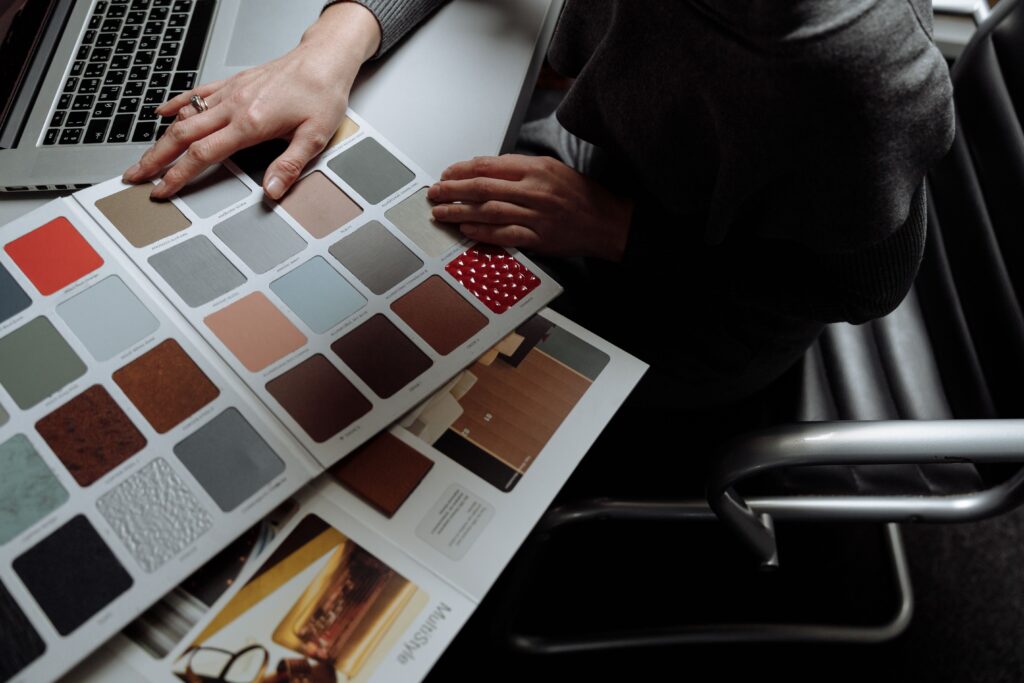
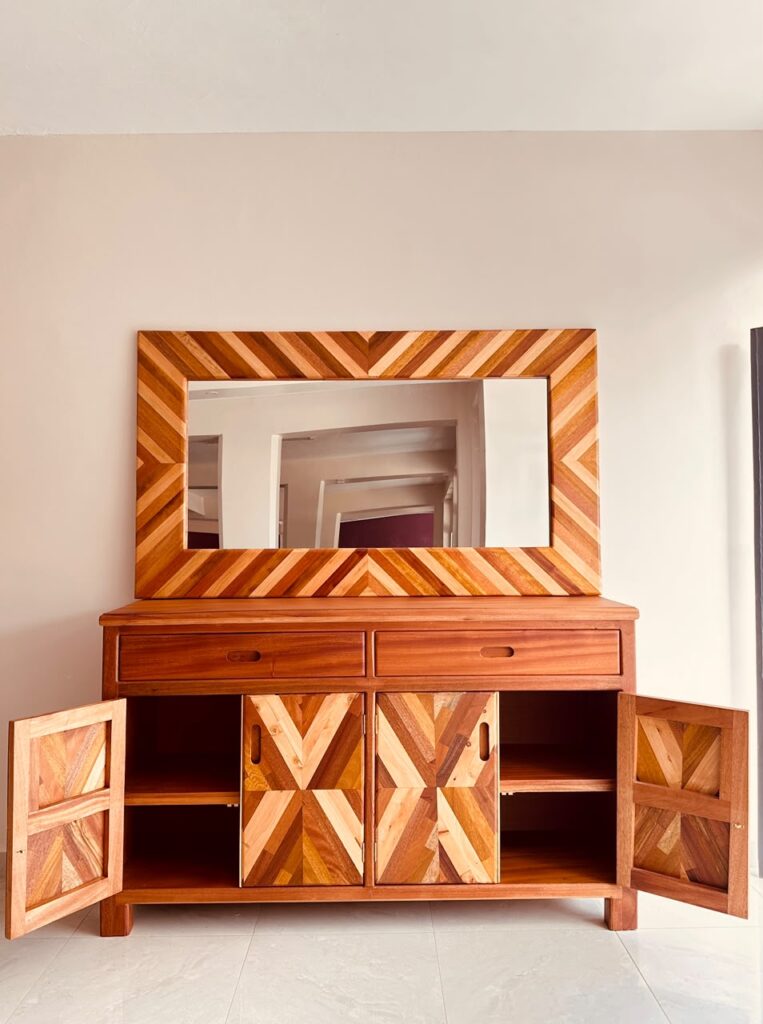
One of the strongest trends is the rise of modern African luxury. Designers are increasingly blending contemporary interiors with African textures, materials, art, and craftsmanship. Instead of copying international styles directly, many projects now incorporate natural wood, earthy tones, handcrafted finishes, local stone, woven textures, and African-inspired décor in a more refined and modern way.
This shift reflects a growing appreciation for locally rooted design identities while maintaining an international standard of sophistication.
Minimalism also continues to dominate many residential and commercial interiors in Kenya. However, the approach has become warmer and more functional compared to previous years. Clients are moving away from overly cold or sterile spaces and embracing softer minimalism with layered textures, ambient lighting, curved forms, and more personalized interiors.
Functionality has become equally important as appearance. As urban living spaces become more compact, especially in Nairobi apartments, designers are focusing heavily on space optimization and multifunctional layouts. Homes now need to accommodate working, entertaining, relaxing, and storage within limited square footage.
This has increased demand for:
- Built-in storage solutions
- Flexible furniture
- Open-plan layouts
- Multi-purpose rooms
- Smart space planning
The hospitality industry is also influencing residential design trends. Many homeowners now want interiors that feel hotel-inspired, calm, and experience-driven. This has increased the popularity of:
- Mood lighting
- Spa-like bathrooms
- Statement bedrooms
- Lounge-inspired living spaces
- Layered hospitality finishes
Sustainability and environmentally conscious design are becoming more important within Kenya’s built environment. Clients are increasingly asking about:
- Sustainable materials
- Energy-efficient lighting
- Low-maintenance finishes
- Natural ventilation
- Eco-conscious sourcing
Although sustainable interiors are still developing within the region, the conversation around green building and responsible design continues growing across both residential and commercial projects.
Technology is also reshaping modern interiors in Kenya. Smart homes are no longer limited to luxury developments. More clients are integrating:
- Smart lighting systems
- Automated curtains
- Home security integration
- Voice-controlled systems
- Smart entertainment setups
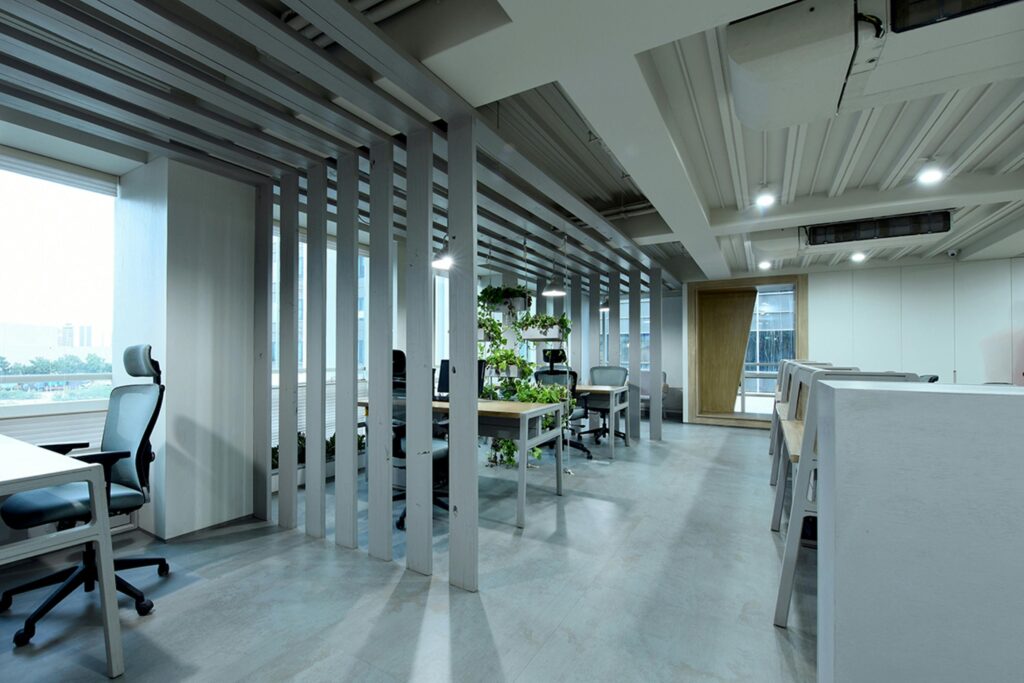
Commercial interior design is evolving significantly as businesses rethink workplace culture and employee experience. Offices are becoming more collaborative, flexible, and wellness-focused. Many modern workplaces now prioritize:
- Natural lighting
- Informal meeting areas
- Acoustic comfort
- Collaborative lounges
- Biophilic elements such as indoor greenery
Retail and hospitality interiors are also becoming more experiential. Restaurants, cafés, salons, hotels, and showrooms are increasingly designed with social media visibility and customer experience in mind. Interiors are expected not only to function well, but also to create memorable visual experiences that encourage customer engagement and online sharing.
Another major trend shaping the industry is personalization. Clients increasingly want spaces that reflect their personality, lifestyle, or brand identity instead of generic Pinterest-inspired interiors. Designers are therefore focusing more on custom furniture, tailored layouts, curated materials, and unique design storytelling.
Kenya’s growing luxury real estate market is also pushing interior standards higher. Developers and property owners are paying greater attention to interior quality as buyers become more design-conscious and experience-driven.
As the industry matures, interior designers are taking on more strategic roles within projects. Today’s designers are expected to understand not only aesthetics, but also budgeting, procurement, project management, cost planning, sustainability, and user experience.
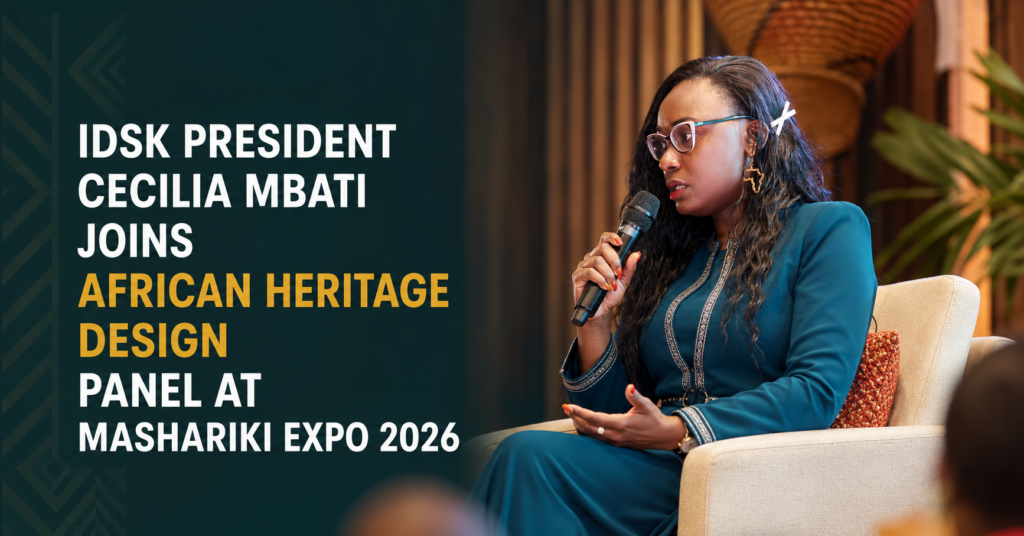
The Interior Design Society of Kenya (IDSK) continues to support industry conversations around innovation, professionalism, collaboration, and the future of interior design in Kenya and East Africa.
As design awareness continues growing across the region, the future of interior design in Kenya will likely become more locally inspired, technologically integrated, sustainable, and experience-driven.
Apply for membership:
https://idsk.or.ke/idsk-membership-application/
Official Website:
https://idsk.or.ke/