

Why interior designers should be involved earlier in construction
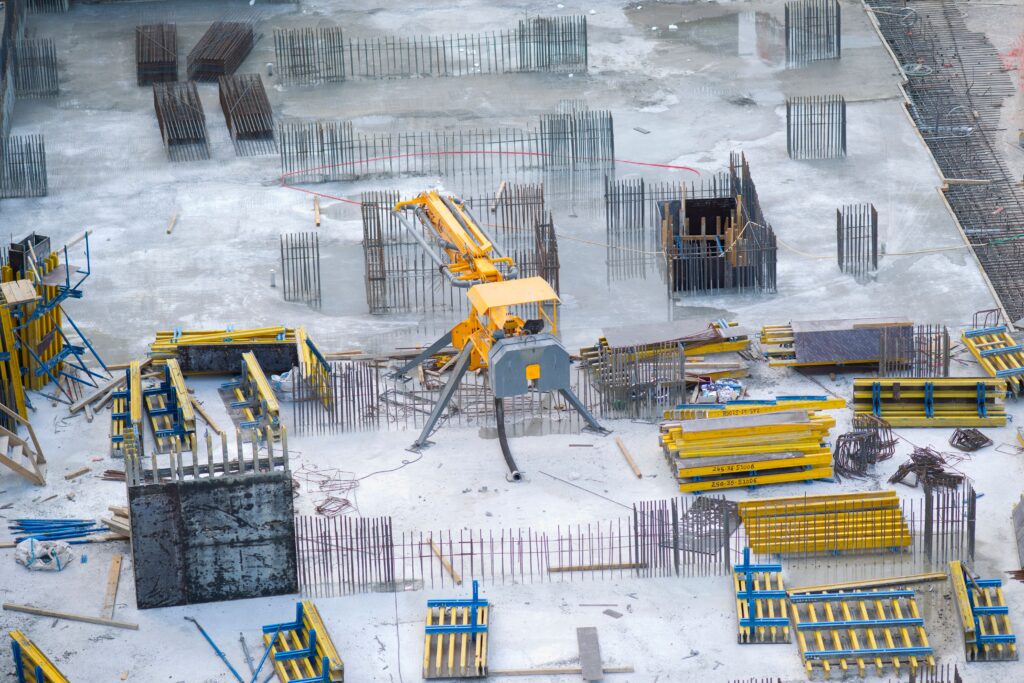
Interior designers should be involved in construction projects from the earliest planning stages. However, many projects bring them in after walls, electrical systems and plumbing services are already installed. At that point, their role is often reduced to selecting colours, furniture and decorative finishes. Interior design is much broader than decoration. It covers space planning, […]
How interior spaces affect health, comfort and productivity
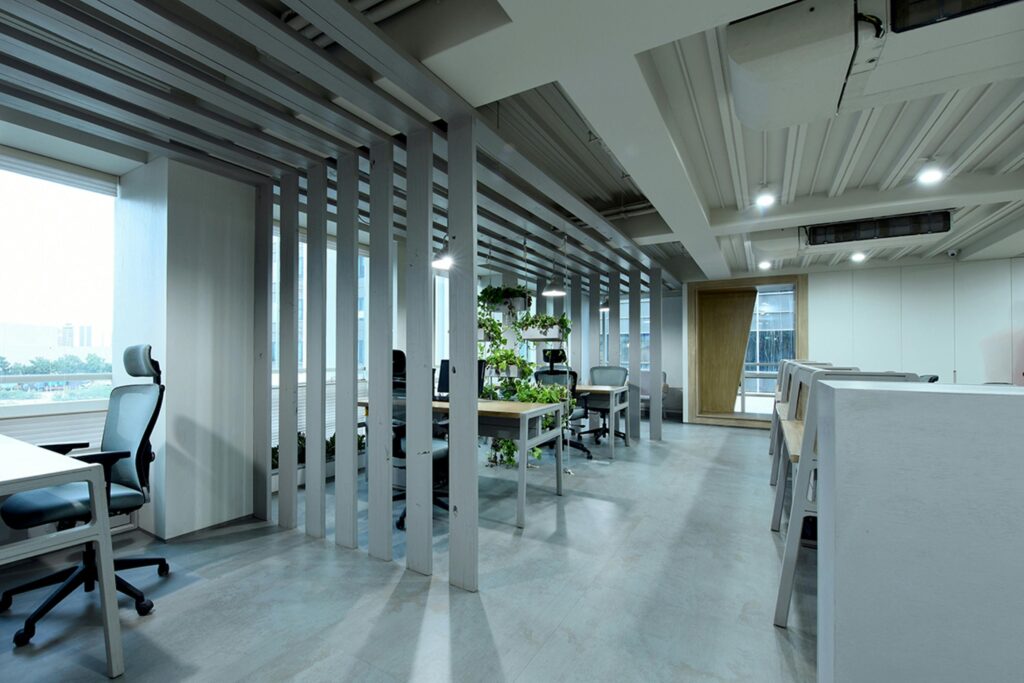
Lighting, ventilation, acoustics, layout and accessibility influence how people work, learn, recover and live within buildings. People often judge an interior by how it looks when they first enter it. However, after spending several hours in the space, other qualities become more important. Can people move around comfortably? Is there enough light to work without […]
Interior design graduates need more exposure to real projects

Interior design education provides an important creative foundation. However, graduates also need construction-site experience, business knowledge and stronger connections with practicing professionals. The interior design skills gap in Kenya becomes clear when graduates move from classroom assignments to active construction projects. Although many emerging designers have strong creative and digital abilities, some have limited experience […]
How interior designers can grow demand for Kenyan-made products
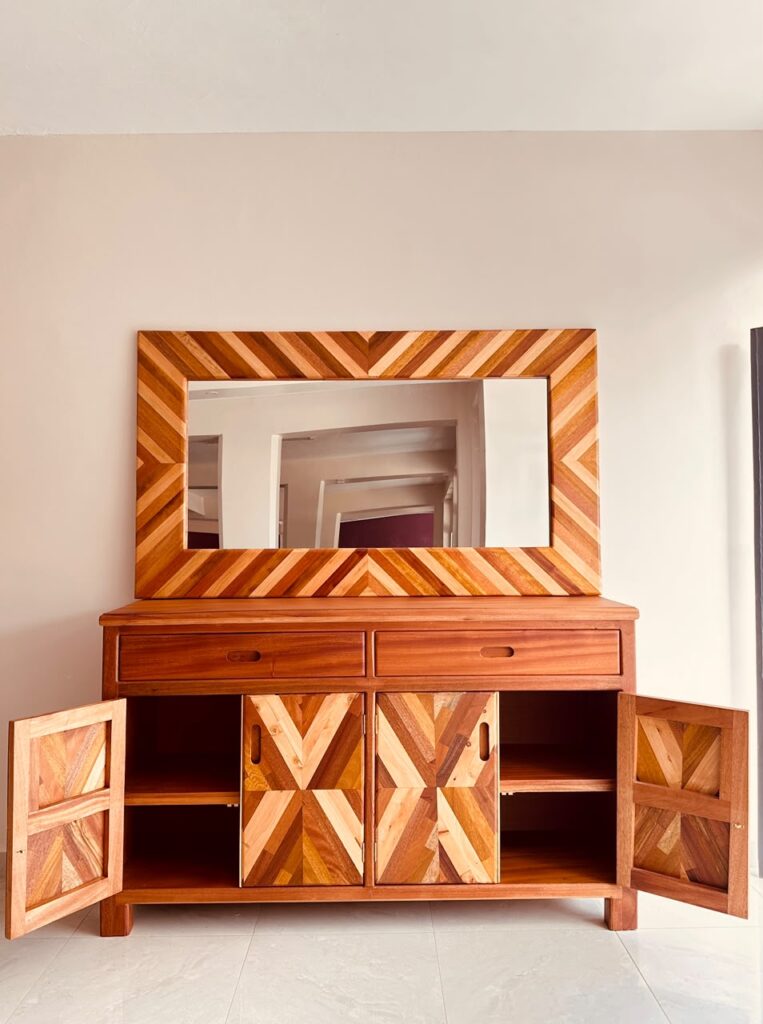
Every material and product specified for a project represents a business opportunity. Stronger links between designers and local manufacturers could redirect more of that opportunity into Kenya’s economy. Every time an interior designer selects furniture, lighting, flooring, textiles, fittings or finishes, a purchasing decision follows. Across residential, hospitality, retail, office and public projects, these decisions […]