
Every material and product specified for a project represents a business opportunity. Stronger links between designers and local manufacturers could redirect more of that opportunity into Kenya’s economy.
Every time an interior designer selects furniture, lighting, flooring, textiles, fittings or finishes, a purchasing decision follows. Across residential, hospitality, retail, office and public projects, these decisions determine which products enter the market and which businesses receive orders.
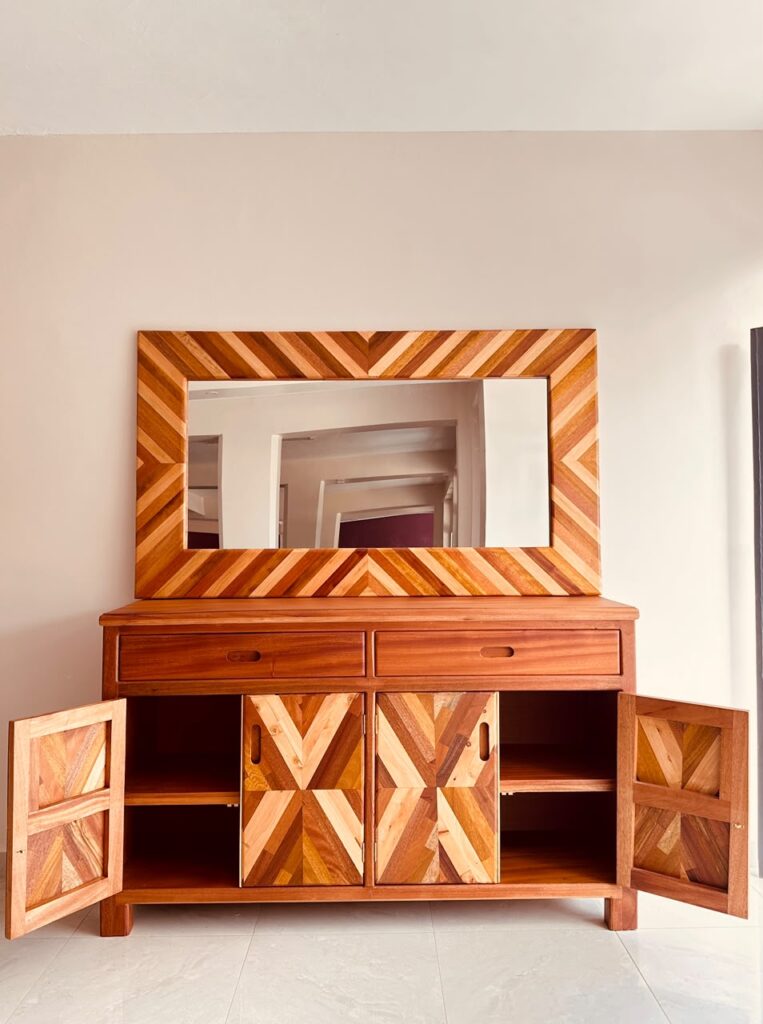
Interior designers can therefore play an important role in growing demand for Kenyan-made furniture and materials.
However, supporting local manufacturing requires more than encouraging clients to buy Kenyan products. Designers need locally manufactured products that meet project requirements for quality, cost, appearance, safety and delivery.
Designers influence what projects purchase
Interior designers are product specifiers. They prepare material schedules, furniture layouts, lighting proposals and finishing concepts that guide procurement.
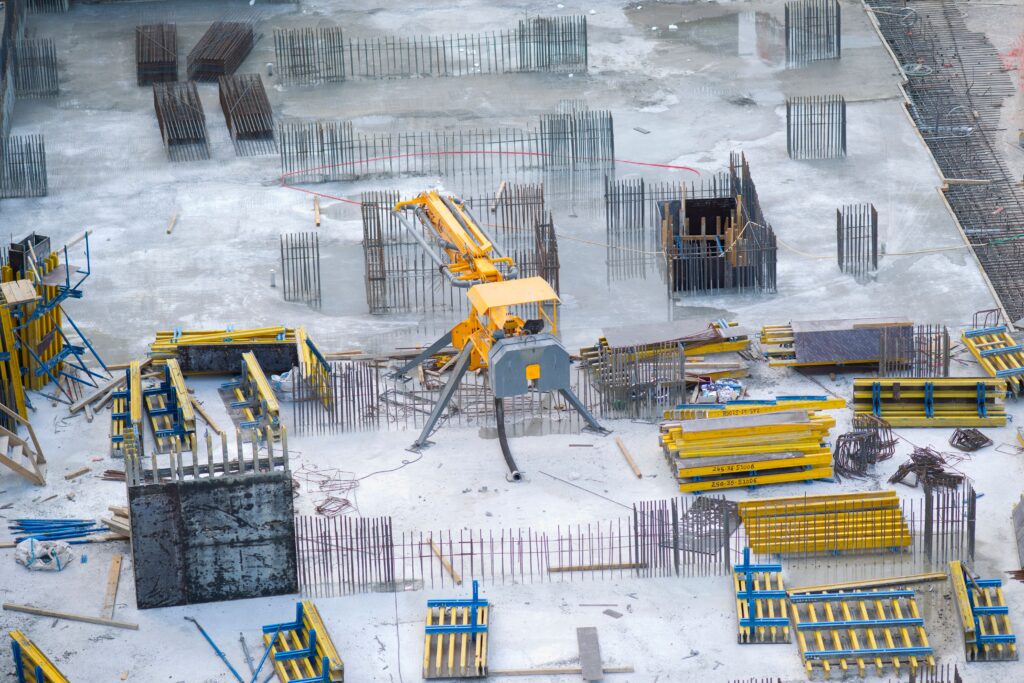
A single hotel, office or housing project may require furniture, doors, cabinets, tiles, fabrics, lighting, sanitary fittings and decorative products. When local businesses can supply these items consistently, construction projects become an important source of demand for Kenyan manufacturers.
Designers also help clients understand the value of locally made products. They can introduce clients to manufacturers, compare options and recommend products that suit the project’s budget and intended use.
This influence places designers between the client and the manufacturer. It also gives them a clear view of the challenges affecting local sourcing.
What designers need from manufacturers
Designers work within budgets, timelines and technical requirements. They need accurate product dimensions, material samples, prices, warranties and confirmed delivery periods.
For commercial projects, consistency is particularly important. A manufacturer supplying 100 hotel chairs must deliver products with the same dimensions, finish and quality. Replacement items may also be required several years later.
Designers may hesitate to specify a local product when technical information is unavailable or when quality varies between samples and final delivery.
Manufacturers can address this by preparing product catalogues, technical sheets, samples and clear warranty terms. They should also communicate production capacity and lead times honestly.
Reliable information gives designers the confidence to present local products to clients and include them in formal project specifications.
Manufacturers need earlier access to projects
Local manufacturers are sometimes approached after project budgets and material decisions have already been approved. At that point, there may be little time to develop samples, test materials or adjust production.
Earlier engagement would allow manufacturers to understand what projects require and prepare suitable products before procurement begins.
Designers can share information about emerging preferences, common project challenges and gaps in the market. Manufacturers can then use this information to improve existing products or develop new ones.
This relationship should not begin when an order is urgently needed. It should be built through showroom visits, product demonstrations, technical workshops and regular engagement between designers and suppliers.
Local manufacturing must compete on value
Kenyan-made products should not be selected only because they are local. They must offer value to the client and perform well in the environment where they will be used.
A restaurant chair must withstand frequent use. Office furniture must support comfort and productivity. Flooring used in a hospital must meet hygiene and maintenance requirements. Hotel finishes must retain their appearance despite constant cleaning and high traffic.
Designers consider these factors when recommending products. As a result, manufacturers who understand performance requirements will be better placed to compete with imported alternatives.
Local businesses also have advantages. They can customize products, respond to site conditions and provide maintenance or replacement services more easily than overseas suppliers.
When used effectively, these advantages can make Kenyan products more attractive to designers and project owners.
Circular design creates another opportunity
Growing interest in sustainable and circular design is creating opportunities for businesses that reuse materials, reduce waste or manufacture products with a lower environmental impact.
Furniture can be repaired, refurbished or designed for easier replacement of individual components. Timber offcuts, fabrics, plastics and other materials can also be turned into new interior products.
Interior designers can help these businesses develop products that are practical, attractive and suitable for the market. They can also introduce circular products to clients looking for more responsible project solutions.
However, sustainability claims must be supported by clear information about materials, production methods, durability and end-of-life options.
Building stronger industry connections
The relationship between design and manufacturing will be among the issues discussed during the Interior Design Summit 2026, taking place from August 26 to 30 at Sarit Expo Centre in Nairobi.
Organized by the Interior Design Society of Kenya in partnership with Homes & Gardens Expo, the Summit will bring together designers, manufacturers, suppliers, educators and property professionals.
Under the theme “Building the Interior Design Economy,” the program will examine circular manufacturing, local materials, professional practice, technology, finance and market opportunities.
The Interior Design Society of Kenya is also using its Design Advantage program to connect designers with manufacturers, suppliers and showrooms that support interior projects.
Kenya already has furniture makers, fabricators, material suppliers and skilled tradespeople capable of serving the interior design market. The next step is to improve how these businesses connect with the professionals making product decisions.
When designers understand what local manufacturers can deliver, they can specify with greater confidence. When manufacturers understand what projects require, they can develop better products.
That connection can turn Kenya’s growing construction and property sectors into a stronger market for Kenyan-made products.