
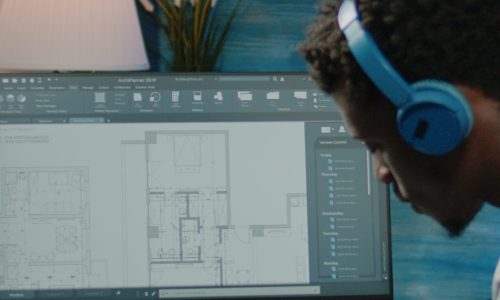
An interior designer and a contractor can contribute to the same project, but their appointments usually serve different purposes. The designer develops and communicates the proposal; the contractor undertakes the agreed work. Some businesses combine these functions, so ask how responsibility is allocated in your particular contract.

The Interior Designer’s Role
Depending on the appointment, a designer may analyse the brief, prepare layouts and concepts, select materials, produce drawings and coordinate design information. Additional services might include procurement support or agreed site visits.
Ask what ‘site supervision’ means in the proposal. A periodic design inspection is different from continuous site management. Establish the frequency, purpose and reporting process rather than assuming that the phrase covers every activity on site.
The Contractor’s Role
A contractor carries out the work described in the contract and coordinates the resources needed for that scope. Responsibilities may include labour, materials, subcontractors, temporary protection, installation and delivery of completion records.
Ask who controls the daily work sequence, checks workmanship and manages subcontractors. Confirm which items the client supplies and which the contractor supplies. A gap between two quotations can leave an important task without an agreed owner.
Compare Responsibilities Before Appointment
| Task | Question to resolve |
|---|---|
| Design information | Who prepares, coordinates and approves drawings? |
| Purchasing | Who orders each item and holds the supplier relationship? |
| Daily site management | Who directs trades and records site decisions? |
| Specialist work | Who designs, appoints and coordinates relevant specialists? |
| Changes | Who can instruct a variation and approve its cost? |
| Handover | Who compiles records and resolves outstanding work? |

Separate Design-and-Build From Independent Appointments
A combined design-and-build provider can offer a single business relationship, while separate appointments allow the client to appoint design and construction teams independently. Neither model removes the need for a detailed scope, transparent costs and a clear approval process.
For a combined provider, ask how designs are reviewed, how substitutions are approved and who checks completed work against the agreed specification. For separate appointments, clarify communication and the limits of each consultant’s authority.
Avoid Common Gaps
- Do not assume drawings include every specialist’s design.
- Do not treat a concept image as a complete construction specification.
- Identify responsibility for site measurements and setting out.
- Record who protects existing finishes and handles waste.
- Agree who approves samples before installation.
- Keep a written process for cost and programme changes.
If an issue involves structure, building services or other specialist matters, ask the project lead to identify the competent person responsible. A job title alone does not establish the scope of technical responsibility.
Prepare a Clear Appointment
Compare deliverables, fees, exclusions, working arrangements and completion requirements. Ask both teams to explain the interface between their work. Keep approved drawings and instructions accessible so site decisions use the current information.
For a wider role comparison, read interior designer, decorator and architect. Use the designer appointment checklist and explore Interiors Kenya when looking for project support. Clarify responsibilities before comparing headline prices.