
One of the biggest challenges facing many interior designers in Kenya today is not talent — it is positioning.
Many skilled designers struggle to attract high-value clients because they focus only on aesthetics and portfolio images without building professional authority, visibility, and trust within the market.
As Kenya’s interior design industry becomes more competitive, clients are increasingly looking beyond creativity alone. They want designers who appear organized, credible, knowledgeable, and capable of handling projects professionally from concept to completion.
Building authority is what separates designers who constantly chase small jobs from those who attract premium residential, commercial, and hospitality projects.
Authority in interior design is built through consistency, professionalism, visibility, and expertise. It is not only about having beautiful projects, but about becoming recognized as a trusted professional within the built environment.
One of the most important ways designers build authority is through positioning. Clients often decide whether a designer is “premium” long before the first meeting takes place. Your online presence, communication style, portfolio presentation, quotations, and project documentation all shape perception.
Designers who present themselves professionally tend to attract more serious clients.
A strong portfolio remains one of the most powerful tools in the industry. However, many designers make the mistake of only posting finished images without explaining the thinking behind the project. High-value clients are increasingly interested in:
- Problem-solving
- Space functionality
- Material selection
- Project transformation
- Budget management
- User experience
Showing the process behind the project often builds more trust than visuals alone.
Consistency on digital platforms is also becoming increasingly important. Many clients now discover interior designers through:
- Google search
- TikTok
- Referrals supported by online visibility
Designers who regularly share projects, insights, site progress, and professional knowledge build stronger credibility over time.
Google visibility is especially important as more clients search terms such as:
- Interior designers in Kenya
- Luxury interior designers Nairobi
- Office interior design Kenya
- Interior design pricing Kenya
Designers and firms with websites, articles, and optimized online presence are more likely to attract organic inquiries from serious clients.
Networking also plays a major role in building authority within the Kenyan market. Some of the most successful interior designers consistently position themselves within professional ecosystems by attending:
- Industry roundtables
- Supplier events
- Architecture and construction forums
- Design exhibitions
- Business networking sessions
Relationships within the built environment often lead to referrals, partnerships, and larger projects.
Professional documentation is another overlooked factor. High-value clients expect:
- Clear quotations
- Contracts
- Timelines
- Mood boards
- Technical drawings
- Organized communication
Many designers lose credibility because they appear creative but operationally disorganized.
Pricing also affects perception. Underpricing often communicates inexperience or lack of confidence. While affordability matters, clients generally associate structured pricing with professionalism and reliability.
Designers who understand project costing, procurement, and contract administration position themselves more strategically within the industry.
Another major factor is specialization. Instead of trying to do everything, many successful designers build authority around specific niches such as:
- Luxury residential interiors
- Hospitality design
- Corporate office interiors
- Retail spaces
- Airbnb styling
- Sustainable interiors
Specialization helps clients remember and refer designers more easily.
Collaboration is equally important in modern interior design practice. Designers who work effectively with architects, quantity surveyors, contractors, suppliers, and consultants often gain access to larger and more sophisticated projects.
As the industry evolves, clients increasingly prefer designers who understand both creativity and project execution.
Thought leadership is becoming another key differentiator. Designers who contribute to conversations around:
- Pricing
- Sustainability
- Design trends
- Business practices
- Project delivery
- Client experience
often become recognized voices within the industry.
This is one reason why industry platforms and organizations continue playing an important role in shaping the profession.
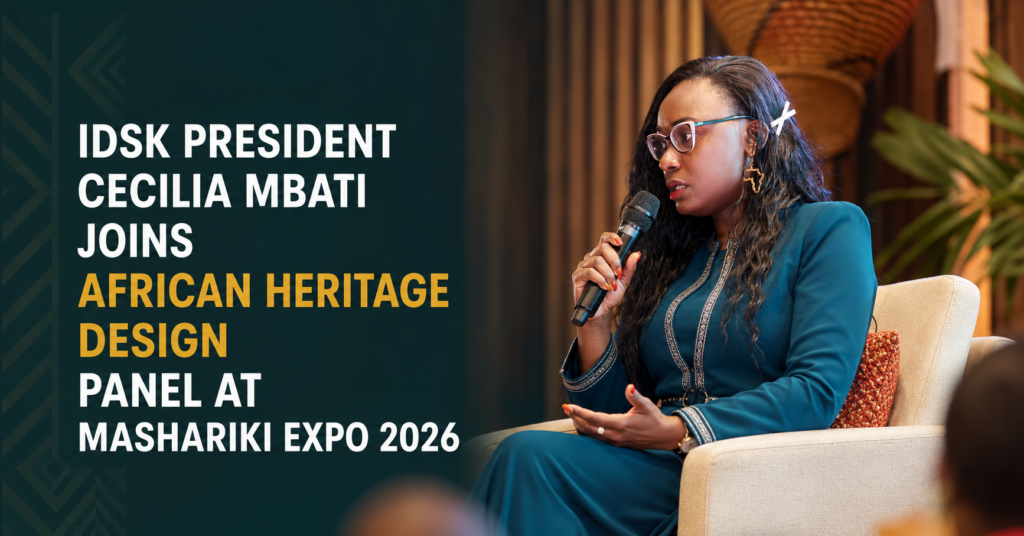
The Interior Design Society of Kenya (IDSK) continues to support the growth and professionalization of Kenya’s interior design industry through networking, collaboration, education, and industry conversations focused on business growth, professionalism, and design excellence.
As Kenya’s design market matures, authority will increasingly belong to designers who combine creativity with structure, visibility, professionalism, and strategic thinking.
Apply for membership:
https://idsk.or.ke/idsk-membership-application/
Official Website:
https://idsk.or.ke/